SÜDPACK Newsletter
Receive regular updates about SÜDPACK, our products and sustainability topics.
Receive regular updates about SÜDPACK, our products and sustainability topics.

Climate and Nature are core elements of SÜDPACK’s Sustainability Strategy 2030. Our Emission Reduction ambition focuses on cutting greenhouse gas emissions throughout the value chain and reducing our environmental footprint. These efforts are underpinned by science-based climate targets aligned with the Near-Term Targets of the Science Based Targets initiative (SBTi).
To achieve these goals, we focus on energy-efficient processes, expanding our use of renewable energy, and responsible resource management. At the same time, biodiversity and water management are becoming increasingly important. Through targeted measures and projects, we aim to reduce our environmental impact and advance our decarbonization efforts.
Reducing CO₂e emissions is at the heart of our Emission Reduction ambition. To achieve this goal, we are driving improvements in energy efficiency and continuously optimizing production processes and supply chains throughout the value chain. Our climate targets provide a binding framework for reducing greenhouse gas emissions across the SÜDPACK Group. Measurable indicators and continuous monitoring enable us to track our progress transparently and support the successful implementation of our Sustainability Strategy 2030.
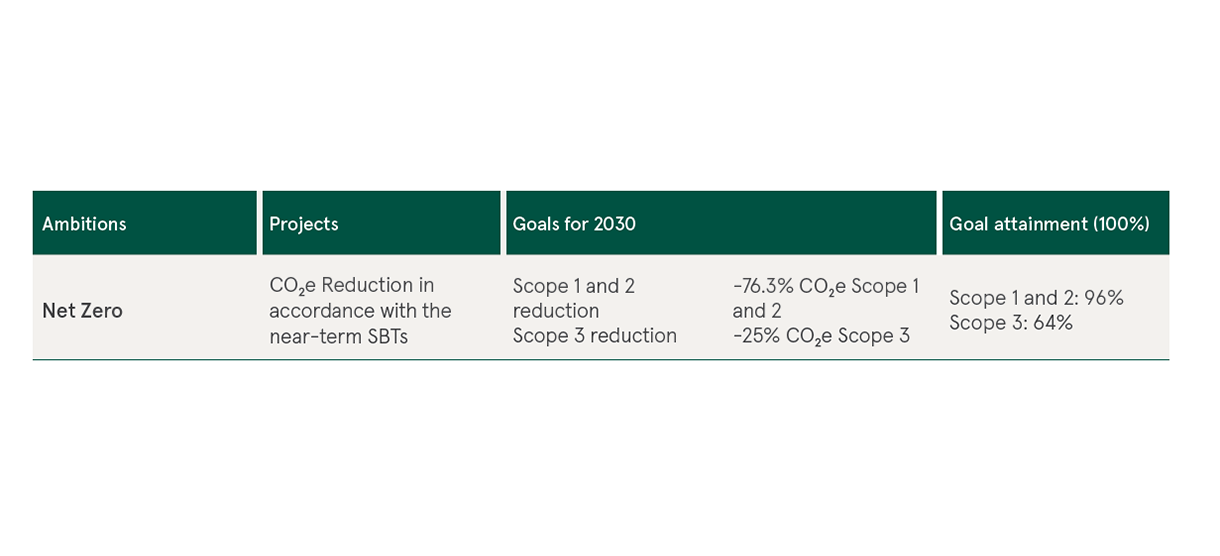
Our near-term climate targets are based on the requirements of the Science Based Targets initiative (SBTi) and provide the framework for implementing our Emission Reduction ambition. By 2030, we aim to reduce Scope 1 and Scope 2 greenhouse gas emissions by 76.3% and Scope 3.1 emissions by 25% compared with the 2021 base year.
Since 2021, we have made significant progress toward our climate targets. By 2025, we had already achieved 96% of our 2030 Scope 1 and Scope 2 emissions reduction target and 64% of our Scope 3.1 target.
We believe that taking ecological responsibility also means contributing to climate protection and security of supply through smart, forward-looking energy management. The production of plastic films is an energy-intensive process. Therefore, to increase our energy efficiency, we continuously invest in modern, energy-saving machines and production processes. Our ISO 50001-certified energy management system enables us to systematically track energy consumption, identify potential savings, and implement targeted measures to reduce energy use.
A significant share of our CO₂e emissions comes from our supply chain, particularly from the raw materials, other materials, and services we purchase. We are therefore taking steps to reduce these emissions and increase the use of materials with a lower CO₂e footprint.
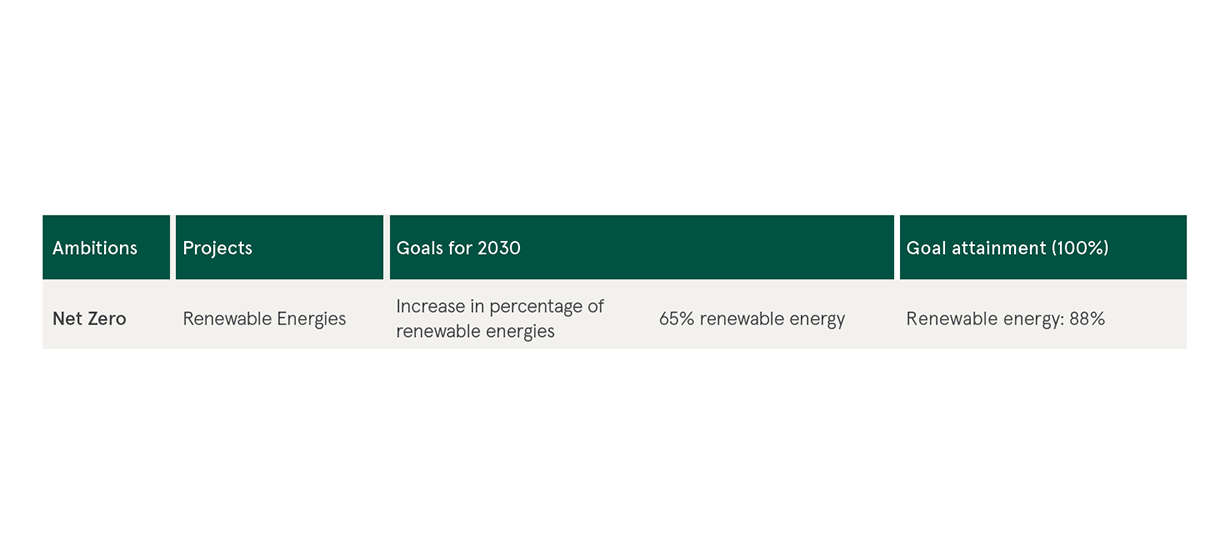
Expanding the use of renewable energy is a key element of our climate strategy. We are steadily increasing the share of renewables in our energy mix by sourcing electricity from renewable sources and expanding our own generation capacity, for example through photovoltaic systems. This helps reduce emissions at our sites and supports progress toward our climate targets. Since 2022, our German sites have sourced 100% of their electricity from renewable sources, and since 2025 the same has applied to all of our EU production sites. Our goal is to operate our business with 65% renewable energy across all sites by 2030.

Ensuring responsible use of natural resources is a key element of our Sustainability Strategy. By using water efficiently and reducing environmental emissions such as microplastics, noise, and odors, we are taking steps to minimize our environmental impact.
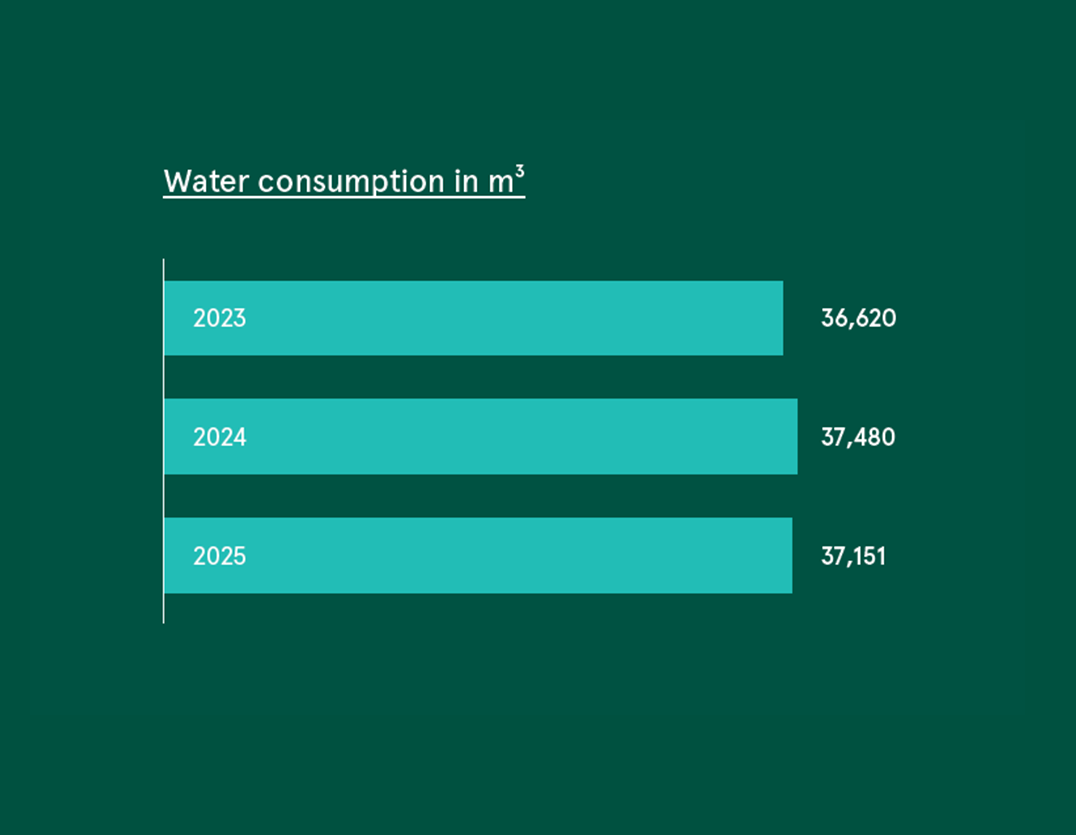
Although water consumption at SÜDPACK is comparatively low, responsible water management remains a priority. As part of our environmental management, we focus on treating used water, maintaining closed-loop water systems, and implementing measures to protect water resources. These include barriers and firewater retention systems designed to prevent contaminated water from entering rivers and groundwater at sites at risk of flooding.
We are continually taking steps to reduce our emissions. Technical and organizational measures, including installed screens, help capture spilled granules before they can enter the environment. Odor, noise, and pollutant emissions are also measured and reviewed at regular intervals..
Through our Emission Reduction ambition, we are reducing greenhouse gas emissions throughout the value chain. Our approach is based on near-term climate targets validated by the Science Based Targets initiative (SBTi). To meet these targets, we are improving energy efficiency, expanding our use of renewable energy, and reducing emissions from our production processes and supply chain.
We reduce our environmental footprint through a range of measures focused on climate action and nature conservation. These measures include cutting CO₂e emissions, expanding our use of renewable energy, and using water and energy efficiently. Odor, noise, and pollutant emissions are measured and monitored at regular intervals, and measures are in place to limit the release of granules into the environment. In this way, we reduce environmental impacts throughout the value chain.