


SÜDPACK Newsletter
Receive regular updates about SÜDPACK, our products and sustainability topics.
Receive regular updates about SÜDPACK, our products and sustainability topics.
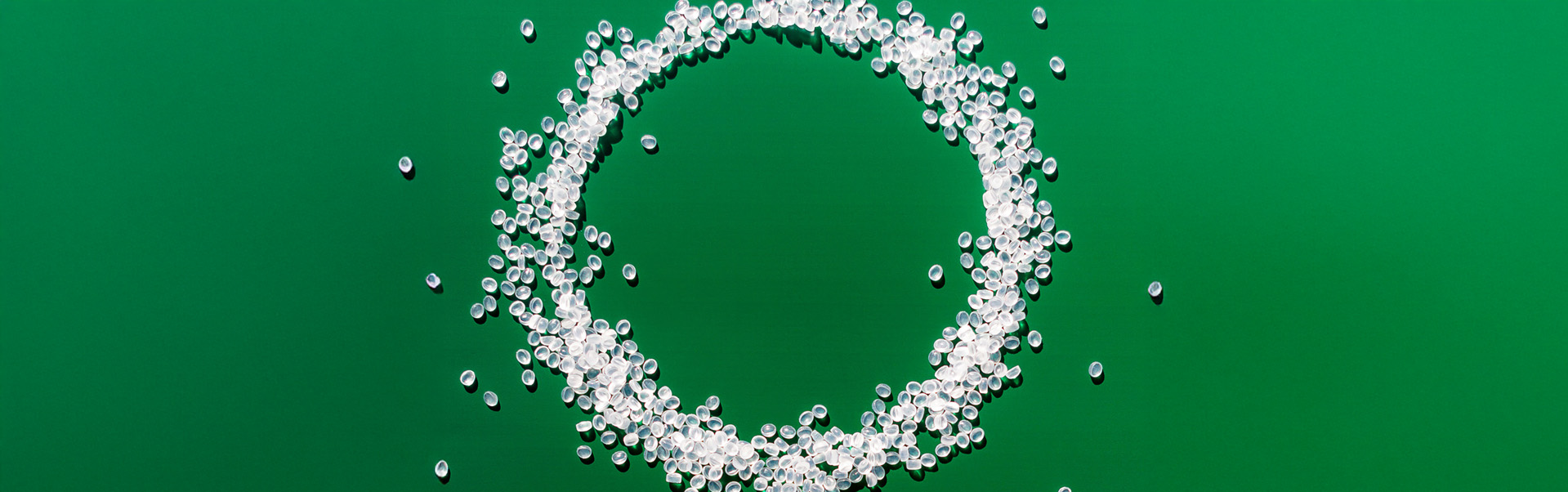
The circular economy aims to keep raw materials and other resources in use for as long as possible while minimizing waste. Rather than discarding valuable resources after a single use, recycling them and using recyclate helps preserve their value for longer.
At SÜDPACK, Circular Economy is a core element of our Sustainability Strategy. Our approach therefore focuses on designing products for circularity, using recyclate (PCR and PIR), and closing material loops by feeding production waste back into our manufacturing processes. In this way, we help reduce material use, close material loops, and advance the circular economy.
The transition to a circular economy requires collaboration between industry, retailers, policymakers, and society. Together with customers, partners, and other stakeholders across the value chain, we aim to advance the circular economy and establish circular solutions in the market. Our involvement in industry associations and initiatives such as CEFLEX also supports these efforts.
Using resources efficiently is a key part of our sustainability approach. Through material-efficient packaging solutions, waste reduction, and the careful use of raw materials, we aim to reduce our overall use of resources.
The central project under our Zero Waste ambition focuses on suitable technologies for improving the efficiency of resource management at SÜDPACK. Key initiatives include expanding capacity and technological capabilities for circular products and across our Compounding and Regranulation business area.
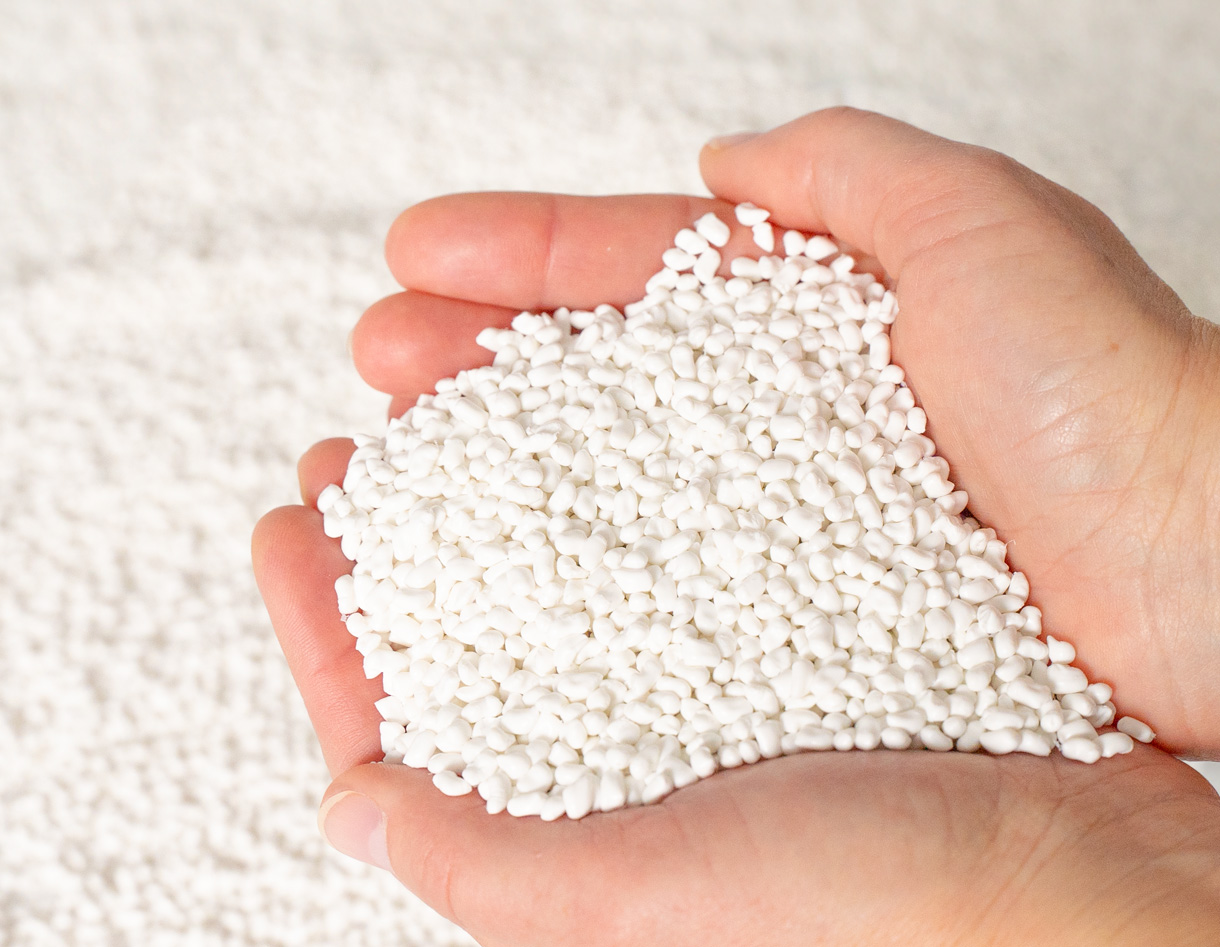
Material loops help keep valuable raw materials in use for as long as possible and reduce the need for virgin resources. We are therefore taking steps to return production waste and recyclable materials to the material loop and enable their reuse in new applications. In this way, we are helping to close material loops and advance the circular economy.
Sustainable product design brings together circularity, material efficiency, and the use of recyclate or non-fossil raw materials. In line with Design for Recycling principles and regulatory requirements such as the PPWR, we continually develop innovative film solutions that support a circular economy and take steps to further reduce the CO₂e footprint of our products. We consider the entire life cycle of our packaging solutions and support ambitious initiatives throughout the value chain. At the same time, our in-house regranulation capabilities and targeted use of recyclate are already helping to drive the development of innovative, future-ready packaging solutions.
The development of recyclable mono-materials is a key part of our ongoing efforts to transition our portfolio to circular packaging solutions. For our PP-, PE-, and PET-based films, we apply the requirements of current Design for Recycling guidelines to achieve a high level of packaging recyclability while maintaining reliable product protection.
PCR (post-consumer recyclate) refers to recyclate recovered from used plastic packaging and other plastic products. Using PCR helps reduce the need for fossil raw materials and keep valuable materials in circulation. We are therefore continually working to increase the proportion of PCR in our products, helping our customers meet the requirements of the PPWR.
PIR (post-industrial recyclate) refers to recyclate recovered from production and processing waste, such as edge trim, that would otherwise be discarded. Returning these materials to production processes allows valuable raw materials to be reused, reduces the need for virgin material, and helps cut production waste. Our in-house regranulation capabilities allow us to keep these materials in the loop for longer.
The potential uses of recyclate depend on the specific requirements of each application. The food, medical, and pharmaceutical industries in particular are subject to stringent requirements for quality, safety, and product protection. To integrate PCR and PIR responsibly, we carefully assess which type of recyclate meets the requirements of each application and continually refine our products accordingly.
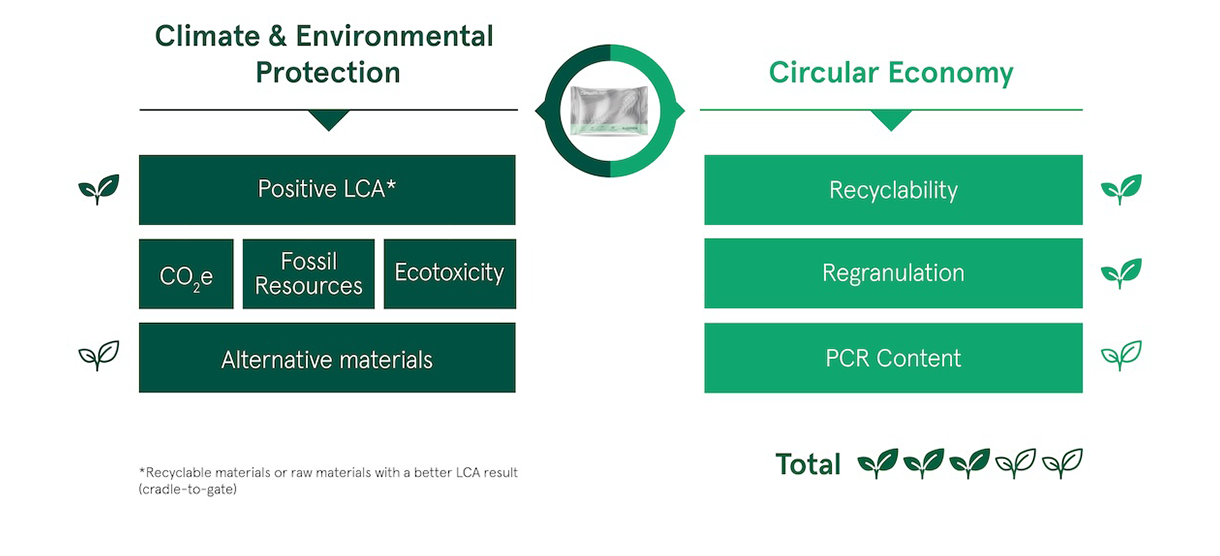
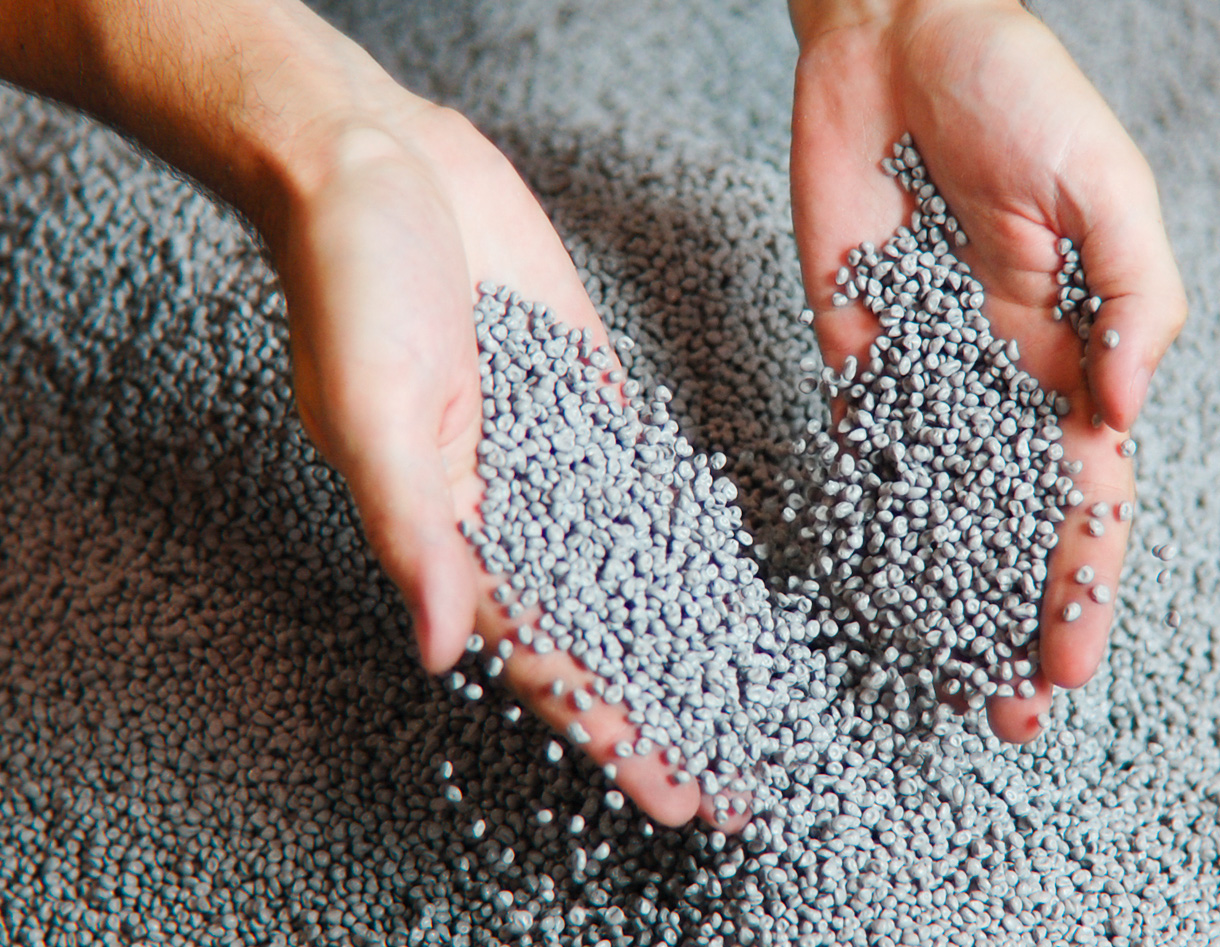
Mechanical recycling enables plastic waste to be recovered and helps keep valuable raw materials in circulation. It is the most efficient technology for recycling PCR on an industrial scale. However, mechanically recycled material does not yet meet the stringent quality requirements for food applications. As a result, the granules are currently limited to non-food-contact applications. Our in-house regranulation capabilities allow us to process production waste into granules and recyclate, and subsequently return these materials to the material loop.
Chemical recycling is an important part of the transition to a functioning circular economy. It complements mechanical recycling precisely where that process reaches its limits, enabling plastic waste to be returned to the raw material cycle for applications such as food packaging or very thin flexible films.
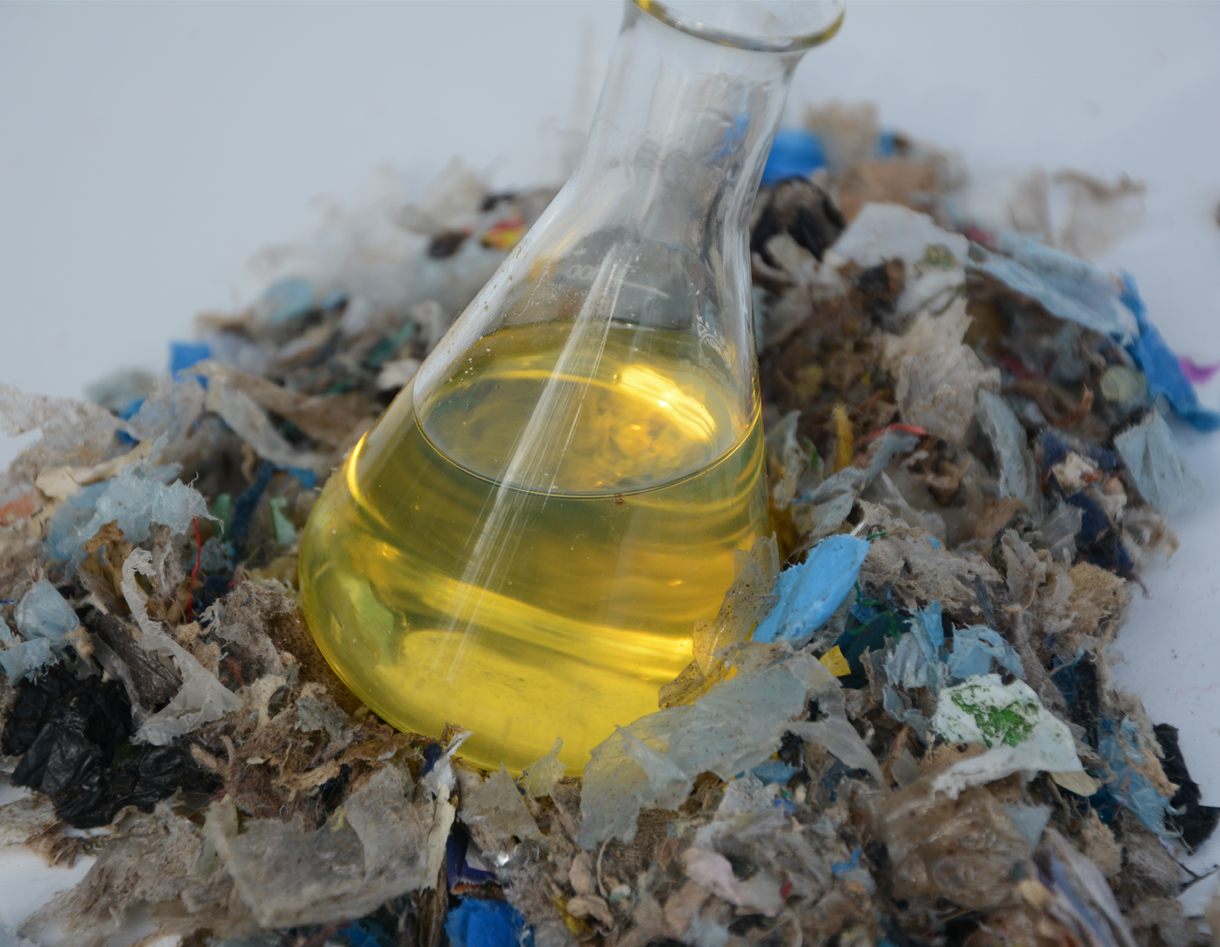
The transition to a circular economy presents a range of challenges. Key topics include applying Design for Recycling principles to technically complex packaging, ensuring the availability and commercial viability of high-quality recyclate, developing recycling technologies, and expanding recycling capacity. At the same time, there is a need to further expand the use of recyclate in sensitive applications in the food, medical, and pharmaceutical industries. To address these challenges, we work with customers and partners and engage in industry initiatives to close material loops and establish circular solutions throughout the value chain.
SÜDPACK advances the circular economy through product design that meets current Design for Recycling requirements for packaging, the use of recyclate, and the recycling of production waste. We also invest in recycling solutions to keep valuable raw materials in use for as long as possible and close material loops.
Design for Recycling is an important part of our Sustainability Strategy. By developing recyclable films for PP-, PE-, and PET-based packaging systems and consistently applying Design for Recycling principles across our products, we help achieve high levels of recyclability and return valuable materials to the material loop.
SÜDPACK uses both PCR (post-consumer recyclate) and PIR (post-industrial recyclate) to reduce the use of virgin materials and help close material loops. We ensure that the recyclate we use meets the relevant quality, safety, and product requirements, while continually working to expand its use in our film solutions for packaging.