


SÜDPACK Newsletter
Receive regular updates about SÜDPACK, our products and sustainability topics.
Receive regular updates about SÜDPACK, our products and sustainability topics.
How SÜDPACK and Herz are Setting New Standards Together
Cheese is more than just a product—it’s craftsmanship, tradition and responsibility. That’s a mindset Albert Herz GmbH shares with SÜDPACK. What connects the two companies goes far beyond the roughly 50 kilometers between Kimratshofen and Ochsenhausen: it is a shared passion for cheese and a clear commitment to consistently advancing sustainable solutions.
 08/06/2026
  3 min.
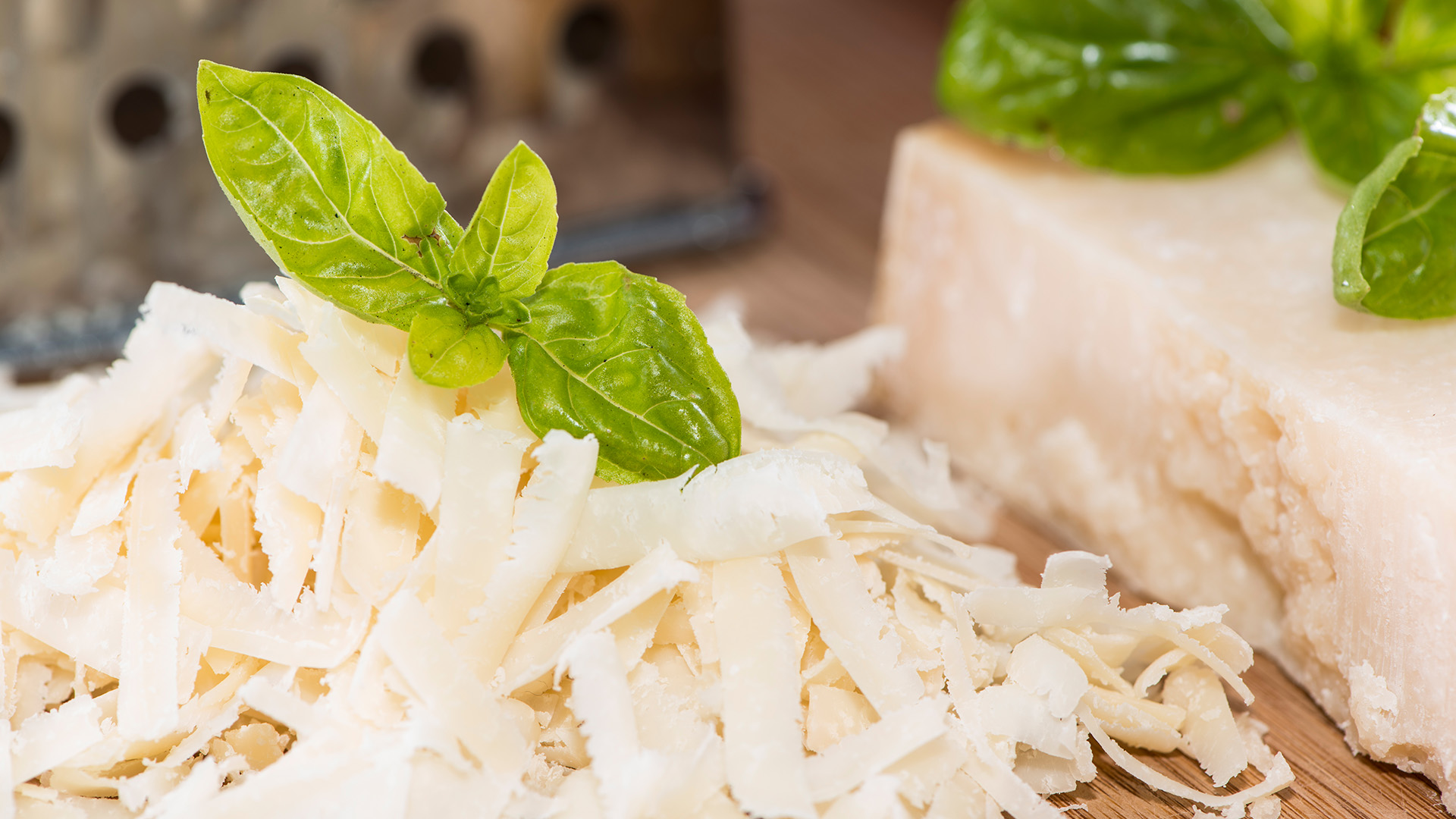
 What began as a small dairy in the Allgäu has grown into a modern processing and packaging specialist that now handles around 15,000 tons of cheese each year. Whether cheese blocks, slices, or shredded cheese, Herz supports the product through every critical process step—from the origin to the delivered product range.
SÜDPACK also started with cheese: in 1964, founder Alfred Remmele developed the first cheese-maturing bags—launching a success story that now spans more than 1,700 employees worldwide. The focus has remained the same: high-quality product protection, efficient processes, and a clear commitment to sustainability.


“As both a processor and a packaging specialist, we naturally rely on the latest technologies to ensure maximum protection for high-quality natural cheese products, while also focusing on packaging that reduces material use and, above all, increases recyclability. To achieve this, we need partners like SÜDPACK that share the same commitment and vision.”
The film manufacturer has worked for many years to reduce its use of materials and resources. In addition to optimized composite films, this has included its own line of recyclable monomaterials for some time — a foundation that has enabled Herz to take the next development step.
For one grated-cheese product, the packaging concept was rethought together from the ground up. The choice was made to use CarbonLite® Flow Pack PurePE with an integrated PE zipper. Although the previous solution was already recyclable, PE offered significant advantages in terms of machinability, sealing performance, and cycle rate.
The secure, stable zipper and trouble-free processing at high speeds were particularly convincing.
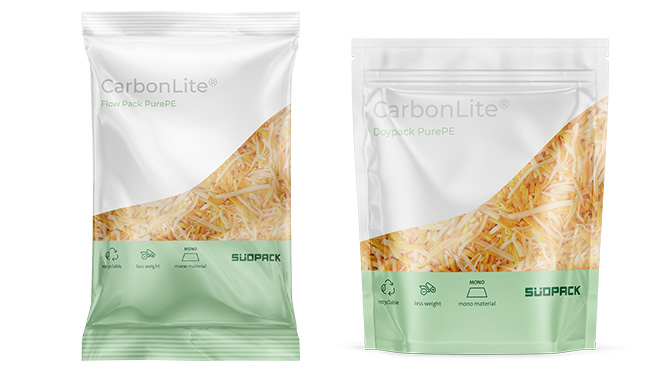
The new film is 5 µm thinner, requires lower sealing temperatures and therefore reduces both material and energy consumption across the entire value chain.
The cheese benefits, too. A precisely tuned oxygen and moisture barrier ensures product protection, freshness, and flowability—a delicate balancing act that only works when packaging and product experts collaborate closely.
At Herz, sustainability doesn’t stop with the material.
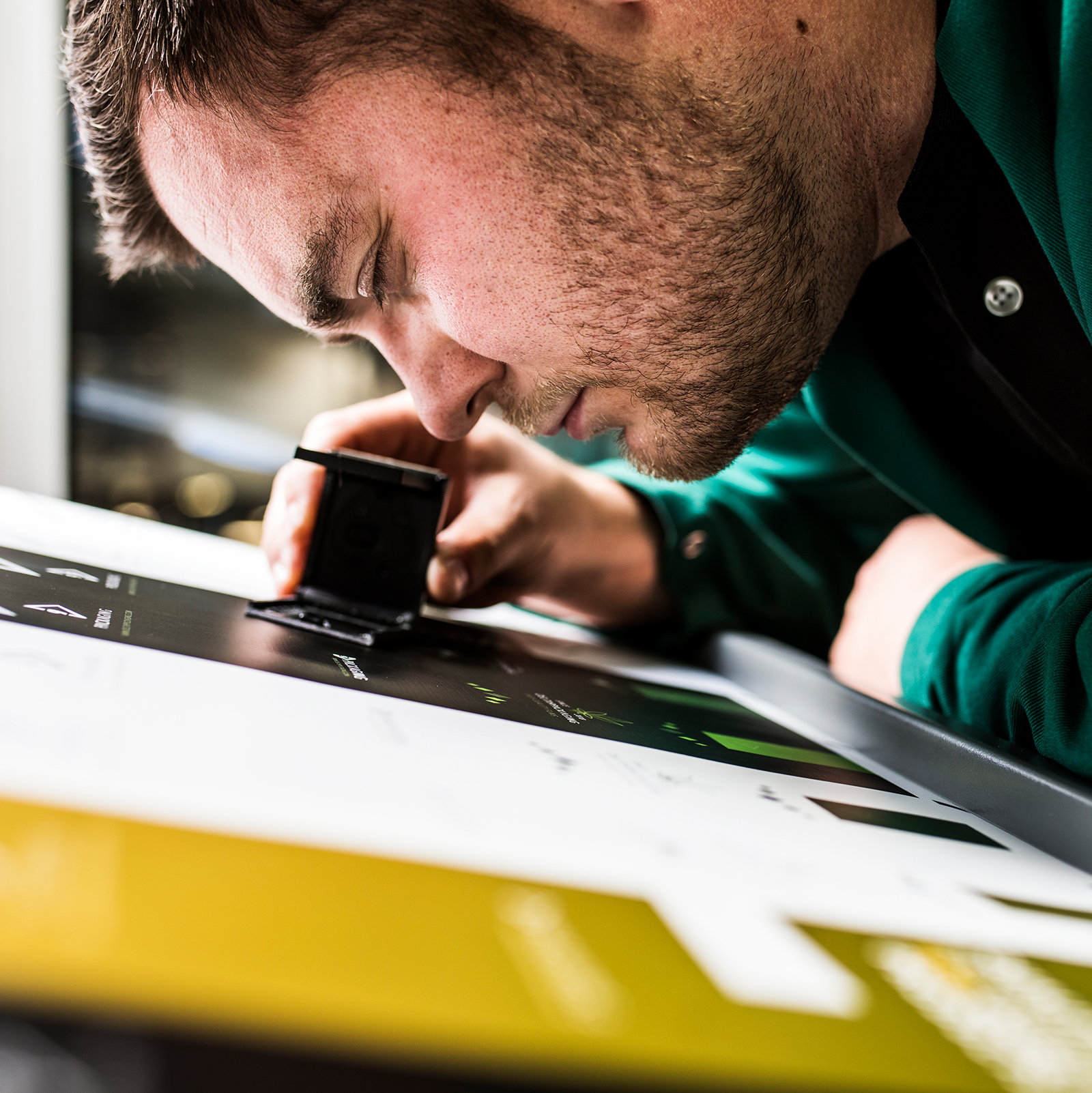
Today, around 95% of the SÜDPACK films used are printed using the SPQ process (Sustainable Print Quality). Standardized colors and reduced ink usage noticeably lower the environmental footprint—while maintaining high color brilliance and strong process stability.
Switching to mono-PE was technically demanding and went hand in hand with a new packaging line. Testing, fine-tuning, and optimization took several months. The early involvement of everyone was crucial to the project's success.
“Thanks to our close collaboration with SÜDPACK, we were able to reliably meet even special requirements in processing and design,” emphasizes Project Manager Simone Kammerl.
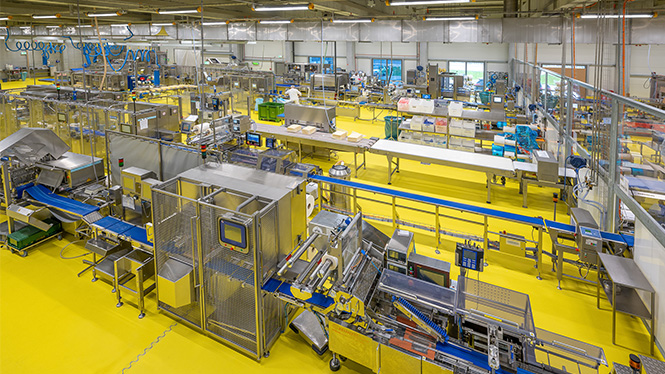
Following the successful launch, the next grated cheese product is already being converted and additional applications are in the pipeline. For Herz and SÜDPACK, this is the logical next step: sustainable packaging solutions are created through dialogue, experience and a shared vision.
Or in other words: when passion for cheese meets responsibility for resources, the result is more than just packaging. It’s a partnership built for the future.