


SÜDPACK Newsletter
Receive regular updates about SÜDPACK, our products and sustainability topics.
Receive regular updates about SÜDPACK, our products and sustainability topics.
Between Freshness, Product Protection, and the PPWR: Why Floral Packaging Needs to Be Reconsidered
Sustainable floral packaging is gaining importance for growers and retailers. At the same time,the new PPWR requirements are creating a growing need for future-ready packaging concepts. Bio-based PLA films demonstrate how sustainability, freshness, and attractive product presentation can be successfully combined.
 10/08/2026
  4 min.
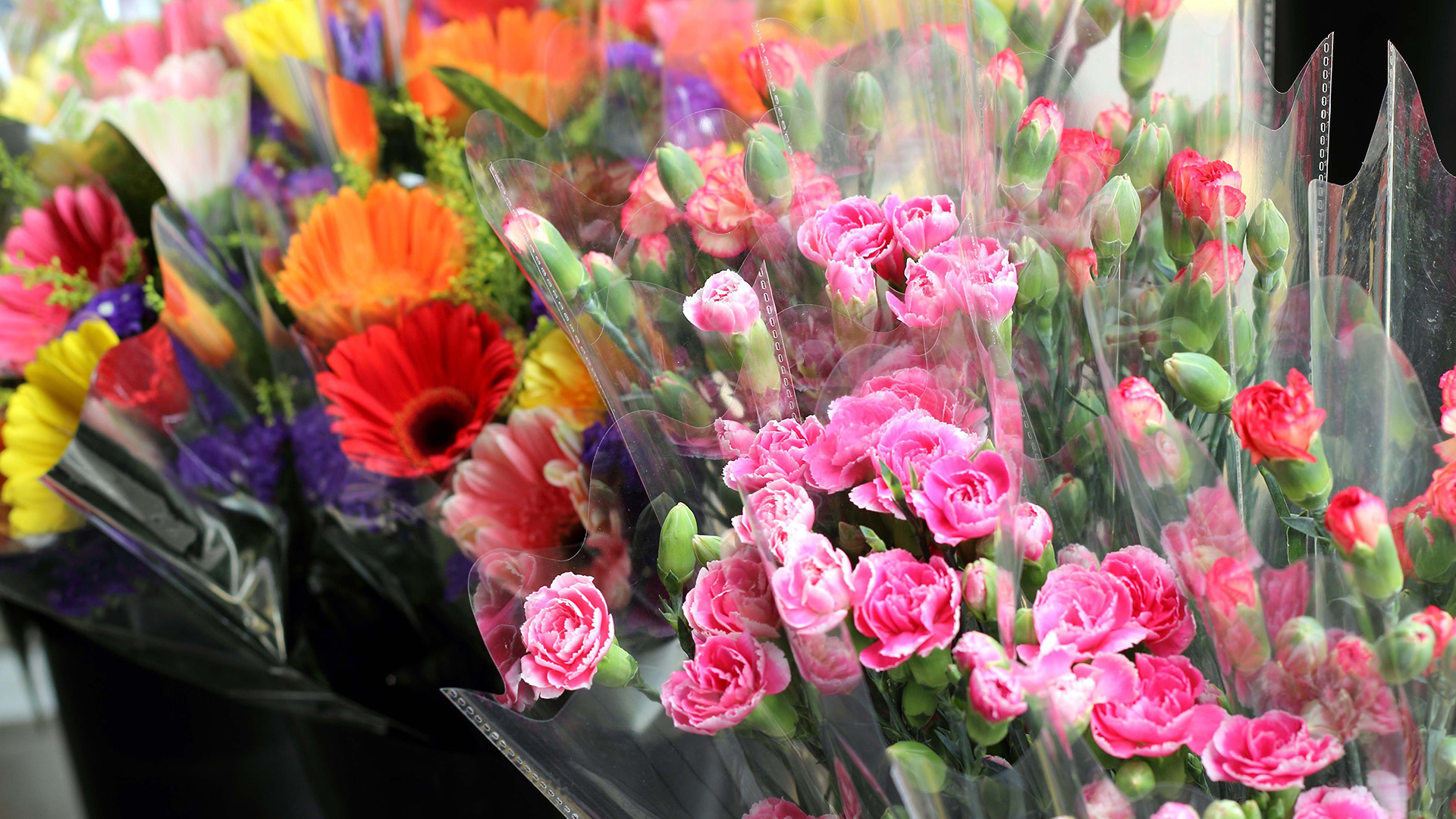
 Whether cut flowers for the supermarket, herbs for the garden center, or potted herbs for grocery retail, packaging today does far more than simply protect products. It has to keep products fresh, showcase them attractively, and meet rising sustainability expectations.
Additional pressure is coming from regulatory developments such as the PPWR, the Packaging and Packaging Waste Regulation. The EU packaging regulation will change the packaging requirements significantly over the coming years and encourage companies to align their packaging concepts with future market and regulatory expectations early on.
As a result, innovative material solutions are gaining increasing attention. Sustainable floral packaging is especially in demand when it combines environmental considerations with the functional requirements of growers, retailers, and consumers.

The market for cut flower packaging continues to grow. At the same time, the demand for sustainable alternatives instead of conventional packaging materials is increasing.
One promising option is bio-based packaging made from renewable raw materials. With its Planova® product family, SÜDPACK offers a PLA film solution made from raw materials such as sugarcane or corn starch. Using materials like these can help reduce dependence on fossil resources and support more sustainable material concepts.
Considering the increasing sustainable packaging requirements, manufacturers and retailers are taking a closer look at solutions that account for environmental aspects while ensuring the performance expected of modern packaging.
Flowers and fresh herbs place specific demands on packaging. They need to be protected from damage, presented attractively, and kept fresh for as long as possible.
The PLA film Planova® brings several of these requirements together in one solution. Its high transparency and brilliant gloss enable attractive product presentation at the point of sale, while the dimensionally stable film protects delicate blossoms, stems, and herbs during transport and retail display.
One key advantage lies in the material properties of PLA: The film is gas-permeable and supports good air circulation. Moisture can escape, which helps to reduce the risk of rotting. Unlike paper, the film remains shape-retaining even when it comes into contact with water and continues to provide reliable protection.
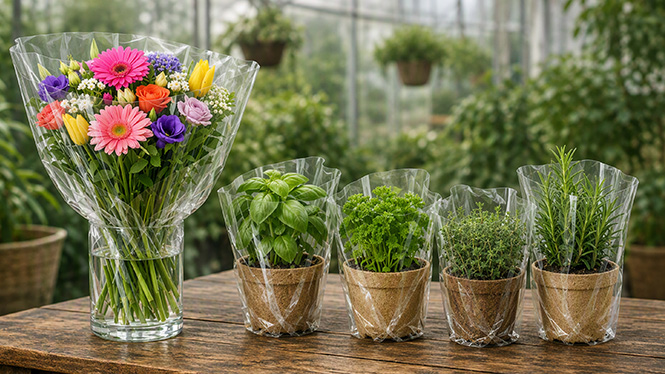
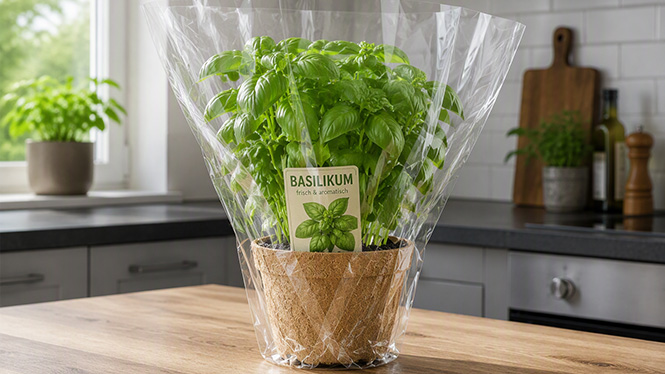
Planova® is used particularly often for conical sleeves, i.e., the tapered wraps for cut flowers and herbs. Despite its low material thickness, the film offers high dimensional stability and supports reliable handling and transport protection.
In addition, the material can be individually printed. Brand designs, variety information, or consumer guidance can therefore be incorporated directly into the packaging.
For growers and retailers, this creates a packaging solution that combines product protection, freshness preservation, and presentation while enabling the use of renewable raw materials.
Packaging requirements will continue to evolve as the PPWR (Packaging and Packaging Waste Regulation) is implemented further. Companies are therefore well advised to address alternative material concepts at an early stage.
With Planova®, SÜDPACK offers a solution that combines the advantages of bio-based raw materials with the functional requirements of modern herb and cut flower packaging. This way, the film supports a more sustainable approach to packaging concepts without compromising freshness, protection, or presentation.
For cut flowers, bio-based packaging such as PLA-based films are particularly suitable. These films protect products during transport and sale while still enabling attractive presentation.
Bio-based packaging is made from renewable raw materials and can help to reduce the use of fossil resources. Depending on the application, it can also meet demanding functional requirements.
Yes. PLA is compostable under industrial conditions.
Breathable PLA films are well suited for fresh herbs because they support air circulation, allow moisture to escape, and help to maintain product freshness.
Sustainability is becoming increasingly important due to rising regulatory requirements, changing market expectations, and the demand for more resource-efficient packaging solutions. Companies are therefore increasingly looking for future-ready packaging concepts that combine environmental and functional requirements.
Note: Selected graphics used in this article were created with the support of generative AI.