


SÜDPACK Newsletter
Receive regular updates about SÜDPACK, our products and sustainability topics.
Receive regular updates about SÜDPACK, our products and sustainability topics.
A real-world example showing how material efficiency, design for recycling, and product protection can work together.
Through systematic packaging optimization, packaging designed for recycling, and close development work with SÜDPACK, Nortura reduced plastic use for its sliced salami and cured ham packaging by around 45 metric tons per year.
Anyone developing food packaging knows the challenge: reduce material use, improve recyclability, meet regulatory requirements, and at the same time ensure product protection, shelf life, and efficiency. These goals often appear to conflict.
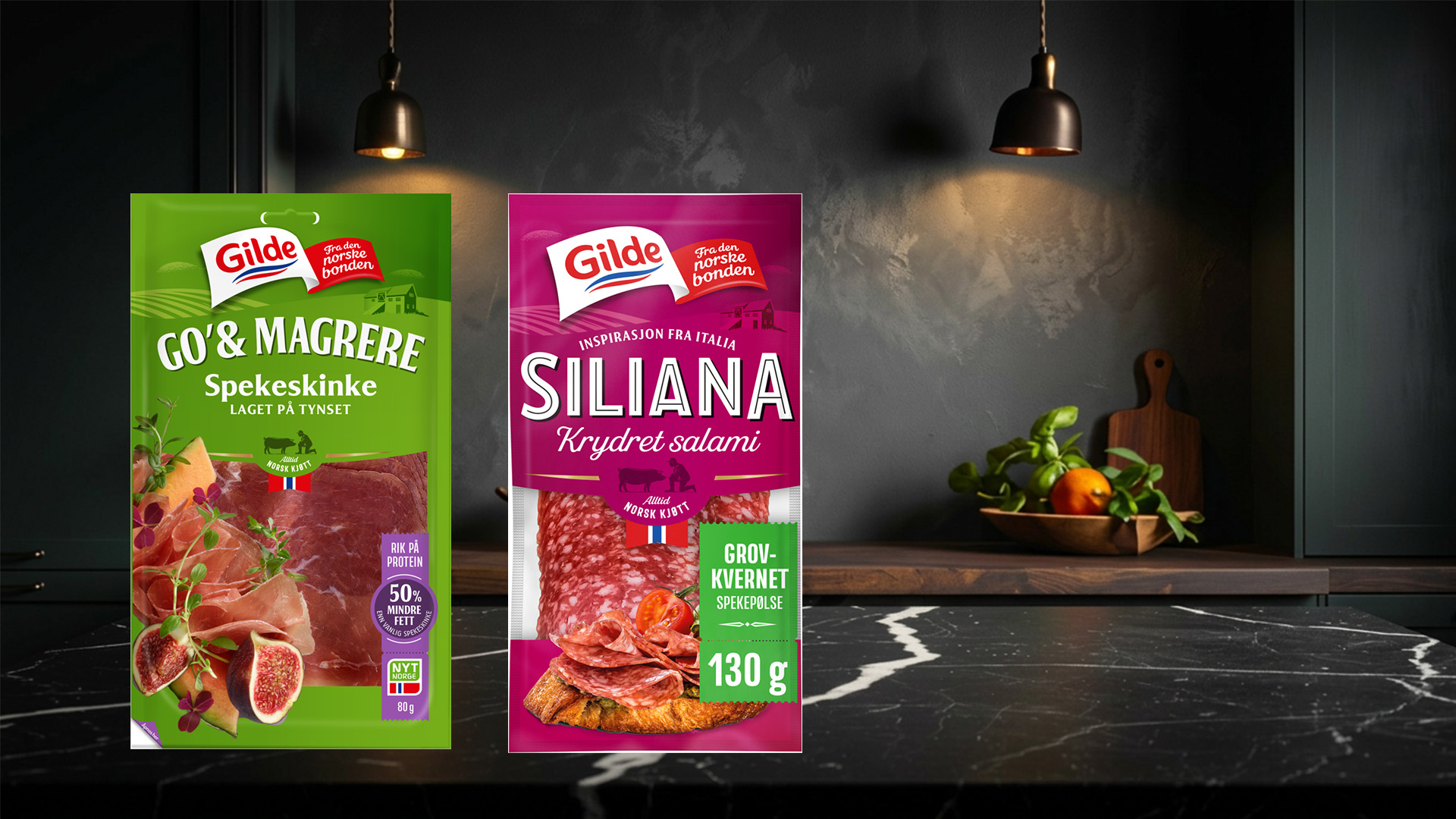
For Norwegian food producer Nortura, this very challenge became the starting point for a comprehensive optimization project. The company processes around 230,000 metric tons of food each year and, with its well-known Gilde and Prior retail brands, sought to prepare the packaging for its popular sliced meat products for tomorrow’s requirements.
The results are measurable: According to Nortura, the company reduced annual plastic use for sliced salami and cured ham packaging alone by around 45 metric tons.
The project focused on two clear objectives: reducing plastic use in packaging and developing solutions that can enter existing sorting and recycling streams.
To achieve this, the PA/PE- and PET-based multilayer laminates previously in use were replaced with PP-dominant packaging solutions. At the same time, the switch was intended to support Nortura’s early preparations for the forthcoming requirements of the EU Packaging and Packaging Waste Regulation (PPWR).
But getting there required far more than simply changing materials. Packaging design, material thicknesses, processing performance, and product protection all had to be considered as one integrated system.
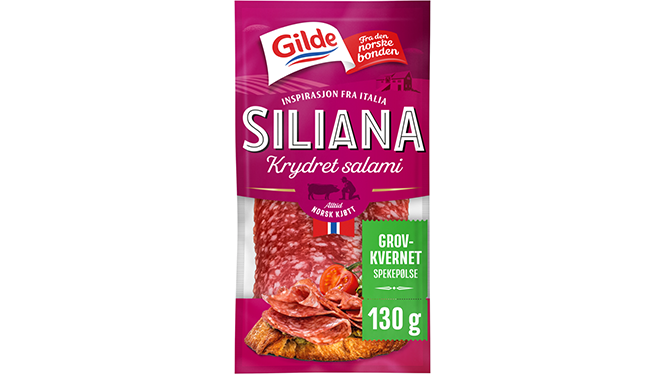
The optimization is particularly evident in the sliced salami packaging.
The previous concept used a 230 μm PA/PE bottom web and a 75 μm PA/PE top web. The packaging was completely redesigned, and the new solution combines a 250 μm bottom web from the Ecoterm range with SÜDPACK’s SafePeel PurePP top web, which is just 60 μm thick.
According to the company, switching to the PP-dominant structure reduced the weight of plastic per package by around 13%. Across the entire product segment, this translates into annual savings of approximately 19 metric tons of plastic, including production waste.
At the same time, the package was designed for material recycling and achieves a PP content of approximately 95.6%.
The impact was even more pronounced for sliced cured ham packaging.
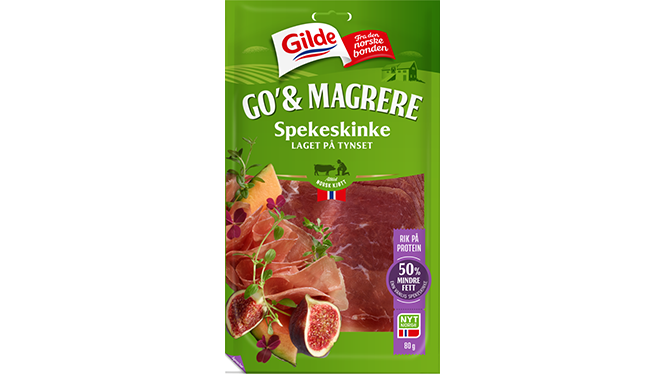
Here, Nortura replaced the PET-based multilayer laminates previously in use with a PP mono-material solution. Across all formats, annual plastic use was reduced by 28.3%, equivalent to savings of approximately 17.2 metric tons of plastic per year.
For certain packaging formats, the reduction was even greater. According to the company, plastic use for selected long packs was reduced by as much as 36%.
Reducing material thicknesses was a key lever. The bottom and top webs, previously 350 and 83 μm thick respectively, were reduced to 250 and 60 μm without compromising the required pack stability or performance.
Packaging projects of this scale are rarely driven by new materials alone. Success depends on combining technological know-how, practical application expertise, and close collaboration across the entire value chain.
This was one of the central success factors in the Nortura project. Working closely with development partner SÜDPACK, the team analyzed, tested, and optimized every detail of the existing packaging concepts. Their work extended beyond new material structures to include processing performance, pack performance, and recyclability.
For the switch, Nortura selected the PP-based packaging solutions Ecoterm PP for the bottom web and SafePeel PurePP for the top web. Both were specifically developed for applications where material efficiency, product protection, and design for recycling must be considered together.
“This transformation is the result of extensive development work,” emphasizes Alexander Baustad. “Close collaboration with development partners such as SÜDPACK, systematic testing, and targeted modifications to existing production equipment have enabled us to balance sustainability, functionality, and economic profitability—without compromising product protection, quality, or shelf life.”
Before the new concepts entered series production, they underwent extensive testing. This ranged from initial material trials at SÜDPACK’s Application Center in Ochsenhausen to practical trials under production conditions at Nortura’s plants. The goal was to verify reliable processing on the existing thermoforming packaging lines and ensure the required performance.
The project’s success is evident not only in the reduction of plastic use, but also in day-to-day production.
At the start of the switch, Nortura was concerned that the new PP structures might require investment in additional packaging equipment. Together with SÜDPACK’s packaging specialists, the company therefore assessed early on how the new material concepts could be integrated into the existing infrastructure.
The result: Following targeted adjustments, the Ecoterm PP and SafePeel PurePP packaging solutions ran reliably on the existing thermoforming packaging lines. According to Nortura, throughput is roughly equivalent to that of the previous materials.
The thinner top web delivered additional efficiency gains, providing approximately 38% more running meters per reel. Fewer reel changes mean less downtime and lower logistics costs.
In addition, the packaging system is precisely matched to ensure that the bottom and top webs work together reliably. The Ecoterm bottom web combines excellent thermoforming performance with high dimensional stability, while the SafePeel PurePP top web ensures a reliable seal and makes the package easy for consumers to open.
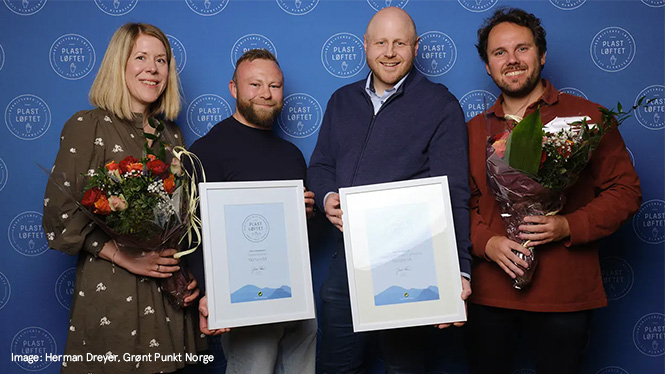
The results did not go unnoticed.
At the Plastic Pledge Award 2026, Nortura received awards in both the “Design for Recycling” category and the “Shelf-life Award.”
For food manufacturers looking to advance their packaging in terms of plastic reduction, material efficiency, design for recycling, and forthcoming PPWR requirements, the project provides a practical example of how ambitious goals can be achieved step by step.
The Nortura case shows that successful packaging optimization goes far beyond replacing individual materials. Only the combination of suitable packaging solutions, extensive testing, and close collaboration between the food producer and its development partner made it possible to save 45 metric tons of plastic per year while maintaining high levels of process reliability and product protection.
With its PP-based Ecoterm PP and SafePeel PurePP solutions, as well as its application and material expertise, SÜDPACK supported Nortura throughout the project as a development partner. The project demonstrates the potential of a collaborative approach when recyclability, product protection, and cost-effectiveness are considered in equal measure.