


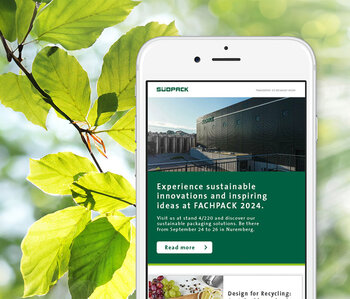
SÜDPACK Newsletter
Receive regular updates about SÜDPACK, our products and sustainability topics.
Receive regular updates about SÜDPACK, our products and sustainability topics.
The invisible ingredient behind successful fresh pasta
The success of fresh pasta is no longer determined by the recipe alone. Modern packaging must protect quality, help prevent food loss, and meet growing demands for recyclability and resource efficiency. This is why overall performance matters more than material price alone.
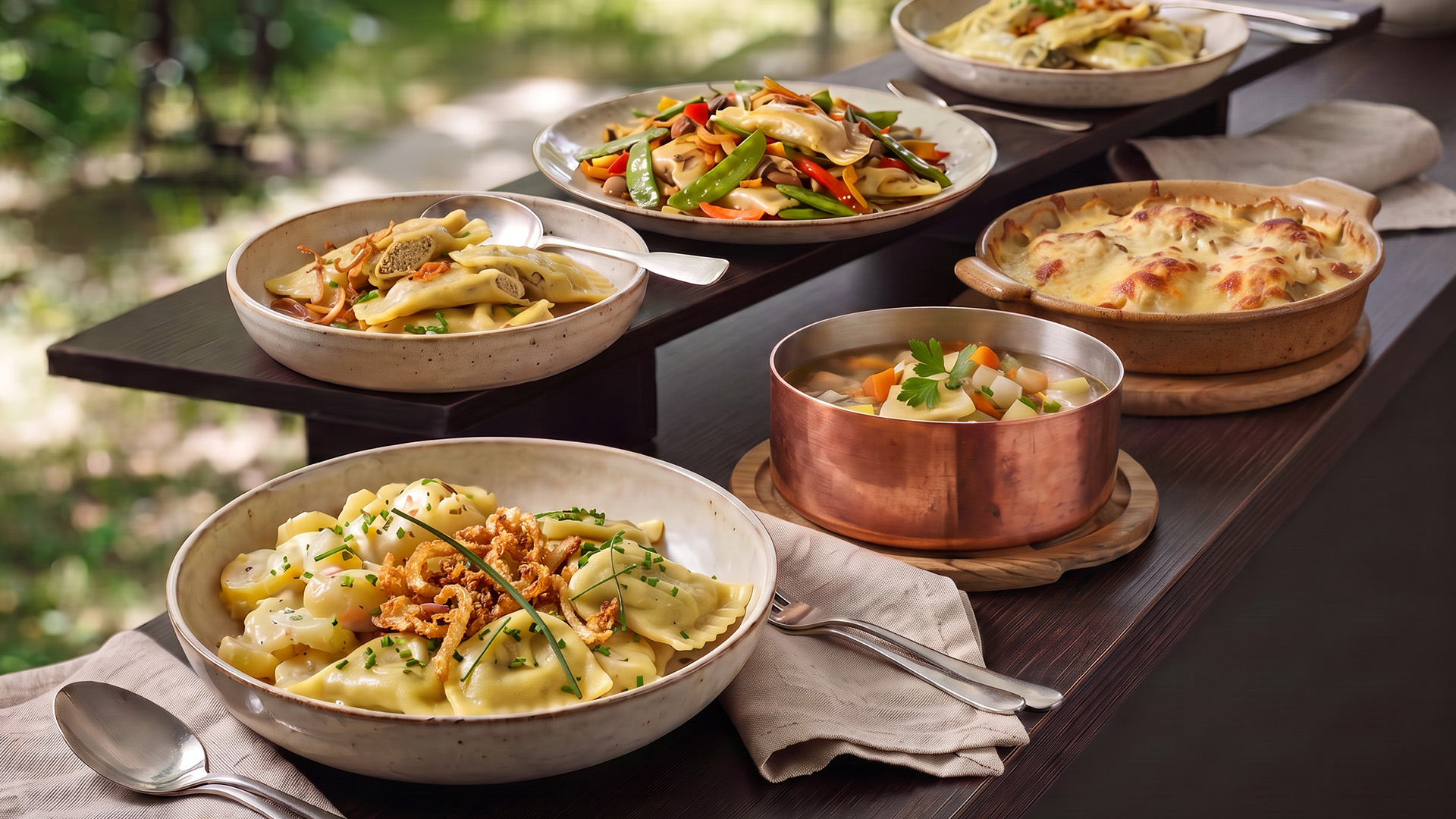
Fresh pasta, ravioli, and gnocchi have ranked among the most dynamic categories in the refrigerated aisle for years. According to NielsenIQ, refrigerated fresh pasta generated sales growth of 6.9 percent between April 2024 and April 2025, driven primarily by higher volumes. At the same time, convenience trends, premiumization, and new product concepts are creating further momentum.
For manufacturers, this creates a challenging environment: consumers expect fresh, high-quality products with a long shelf life, while retailers, regulators, and society are placing greater emphasis on recyclability and resource efficiency. Rising costs, regulatory requirements such as the PPWR, and growing expectations for recyclable packaging add further pressure. As a result, manufacturers need to evaluate fresh pasta packaging by its overall performance—not by material price alone.
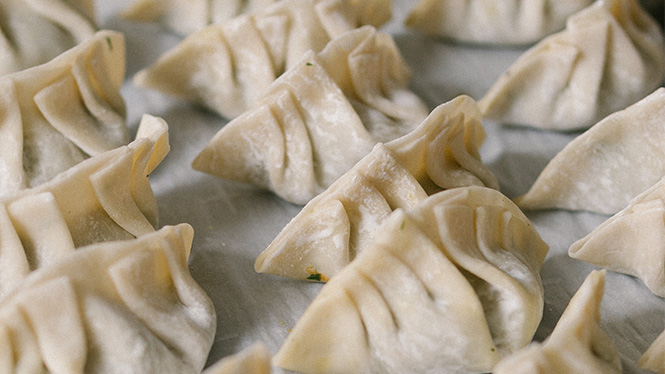
Fresh pasta is one of the most sensitive product categories in the refrigerated aisle.
It often contains fresh ingredients, has a comparatively high moisture content, and reacts sensitively to oxygen, moisture loss, and mechanical stress.
For manufacturers, this means that packaging does far more than simply transport the product.
It has a decisive impact on:
→ Product quality and freshness
→ Fresh pasta shelf life
→ Product safety throughout the supply chain
→ Product losses caused by damage or spoilage
→ The economic efficiency of the overall packaging concept
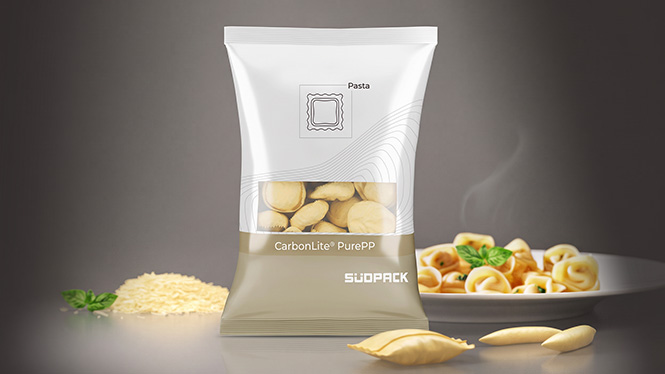
Especially for high-quality products such as filled ravioli or innovative gnocchi varieties, packaging solutions must reliably protect quality from the production process through to the consumer. Without effective barrier properties, strong seal lines, and reliable processability, many modern product concepts in the refrigerated aisle would hardly be feasible.
For a long time, packaging concepts were evaluated primarily based on material costs. However, rising demands related to recyclability, regulation, and efficiency are increasingly changing this perspective.
What matters today is packaging performance across the entire life cycle. This includes, among other factors:
- Material use
- Recyclability
- Product protection
- Shelf life
- Machine efficiency
- Resource use
- Prevention of food loss
- Future potential through differentiated EPR systems
One example illustrates this relationship: packaging with slightly higher material costs can be the more economical choice if it reduces material use, minimizes scrap, is recyclable, runs efficiently on existing equipment, and improves product protection at the same time.
Food loss is a key factor in this equation. Packaging only fulfills its purpose when it reliably protects the product and preserves its quality until consumption. Every avoided loss of product saves valuable raw materials, energy, and resources along the entire value chain. That is why the overall performance of packaging is increasingly moving into focus—not just the amount of material used.
Many manufacturers face the challenge of combining high product protection requirements with circular economy objectives. Modern mono-material solutions show that these goals can be compatible.
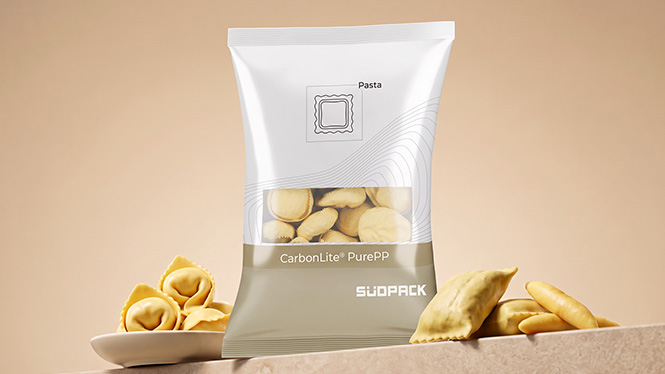
CarbonLite® Flow Pack PurePP, for example, is a recyclable mono-PP solution for flow pack applications that has been developed for demanding food products.
The films provide high-barrier properties and are suitable for MAP and pasteurization applications. At the same time, they support reliable processing on existing flow pack lines and efficient production, even at high clock rates. Compared with certain conventional packaging concepts, significant material savings can also be achieved.
Practical projects in the fresh pasta segment show that recyclability, product protection, and economic efficiency can be brought together in one packaging concept. SÜDPACK has already convinced many well-known fresh pasta manufacturers with its Flow Pack PurePP packaging solution.
For Settele, for example, switching to a recyclable PP mono-material packaging solution enables a stronger focus on recyclability while maintaining a high level of product protection. The new solution is more than 90 percent recyclable, reduces packaging weight by around 7 percent, and can be processed on existing packaging lines without compromising performance or shelf life.
For thermoforming applications, solutions such as Multifol® PurePP offer a recyclable alternative with high barrier performance and reliable protection for sensitive fresh products.
By using a PP-based mono-material structure, they can help align packaging concepts more closely with recyclability and efficient material use.
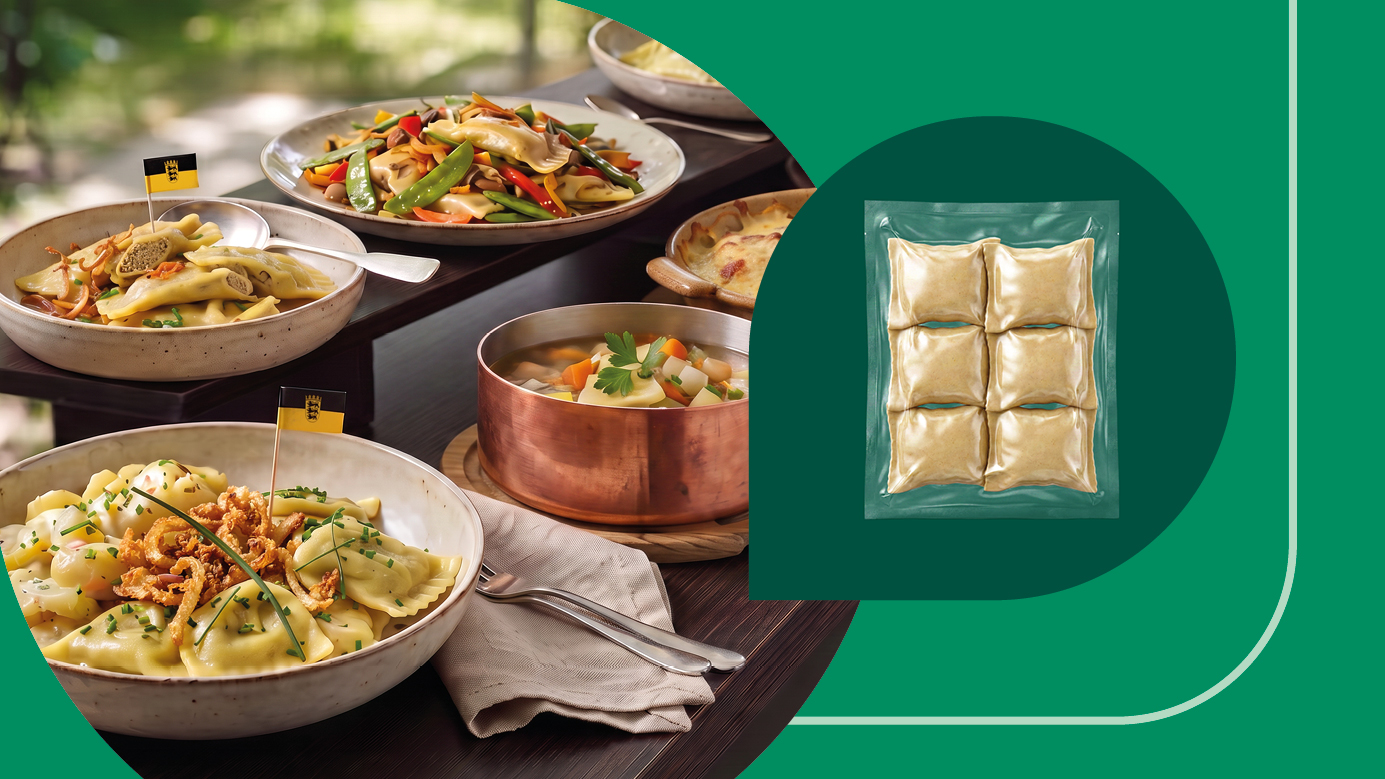
Packaging requirements will continue to increase in the years ahead. The PPWR sets clear expectations for recyclability and resource efficiency. At the same time, many markets are developing systems that may economically favor recyclable packaging in the future.
For fresh pasta manufacturers, this means packaging must not only perform today but also take future market and regulatory requirements into account.
Manufacturers that assess packaging concepts solely by material price risk overlooking important factors such as product protection, shelf life, line performance, recyclability, and regulatory future readiness. True competitiveness is created by finding the right balance across all these requirements.
The market for fresh pasta continues to grow. At the same time, manufacturers face rising requirements for product protection, recyclability, economic efficiency, and regulatory compliance. Modern packaging concepts do far more than simply wrap the product.
For long-term success in the market, the lowest material price will not be decisive. What matters is the overall performance of the packaging. Only the interaction of reliable product protection, long shelf life, resource efficiency, recyclability, and high process reliability creates the foundation for sustainable growth in the refrigerated aisle.
Fresh pasta is a sensitive product category with high requirements for hygiene, freshness, and quality. Packaging protects against oxygen, moisture loss, contamination, and mechanical stress, making a major contribution to product safety and shelf life.
Fresh pasta packaging should provide product-specific barrier performance, secure seals, high process stability, and efficient processing on existing packaging lines. At the same time, recyclability and resource efficiency are becoming increasingly important.
Barrier properties against oxygen and water vapor, together with packaging concepts suitable for MAP and pasteurization applications, help preserve freshness and quality throughout the supply chain and support the shelf life of fresh pasta.
The true cost of packaging is determined by its overall performance. In addition to material costs, product protection, scrap rates, shelf life, machine efficiency, material consumption, recyclability, and regulatory requirements all play an important role.
Recyclability is becoming a key criterion for assessing packaging. Mono-material concepts can help meet regulatory requirements and support circular economy objectives while continuing to address demanding product protection and processing requirements.
Note: Selected graphics used in this article were created with the support of generative AI.