


SÜDPACK Newsletter
Receive regular updates about SÜDPACK, our products and sustainability topics.
Receive regular updates about SÜDPACK, our products and sustainability topics.
Protection, durability and the right size: how packaging helps reduce losses
Packaging is far more than an outer layer. It protects food, extends shelf life, makes transport and storage easier, and helps align product quantities with real-life consumption patterns. That is exactly where its potential lies in the fight against food waste.
 20/07/2026
  4 min.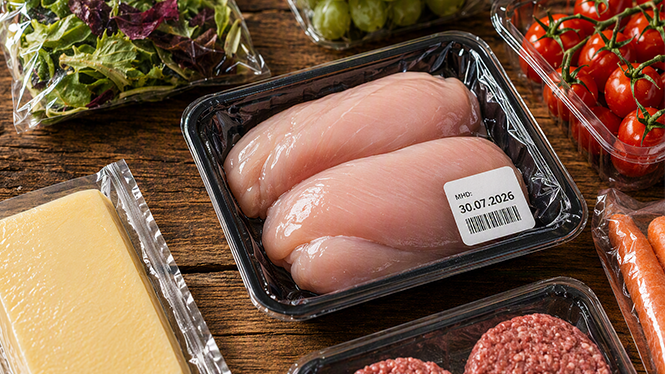
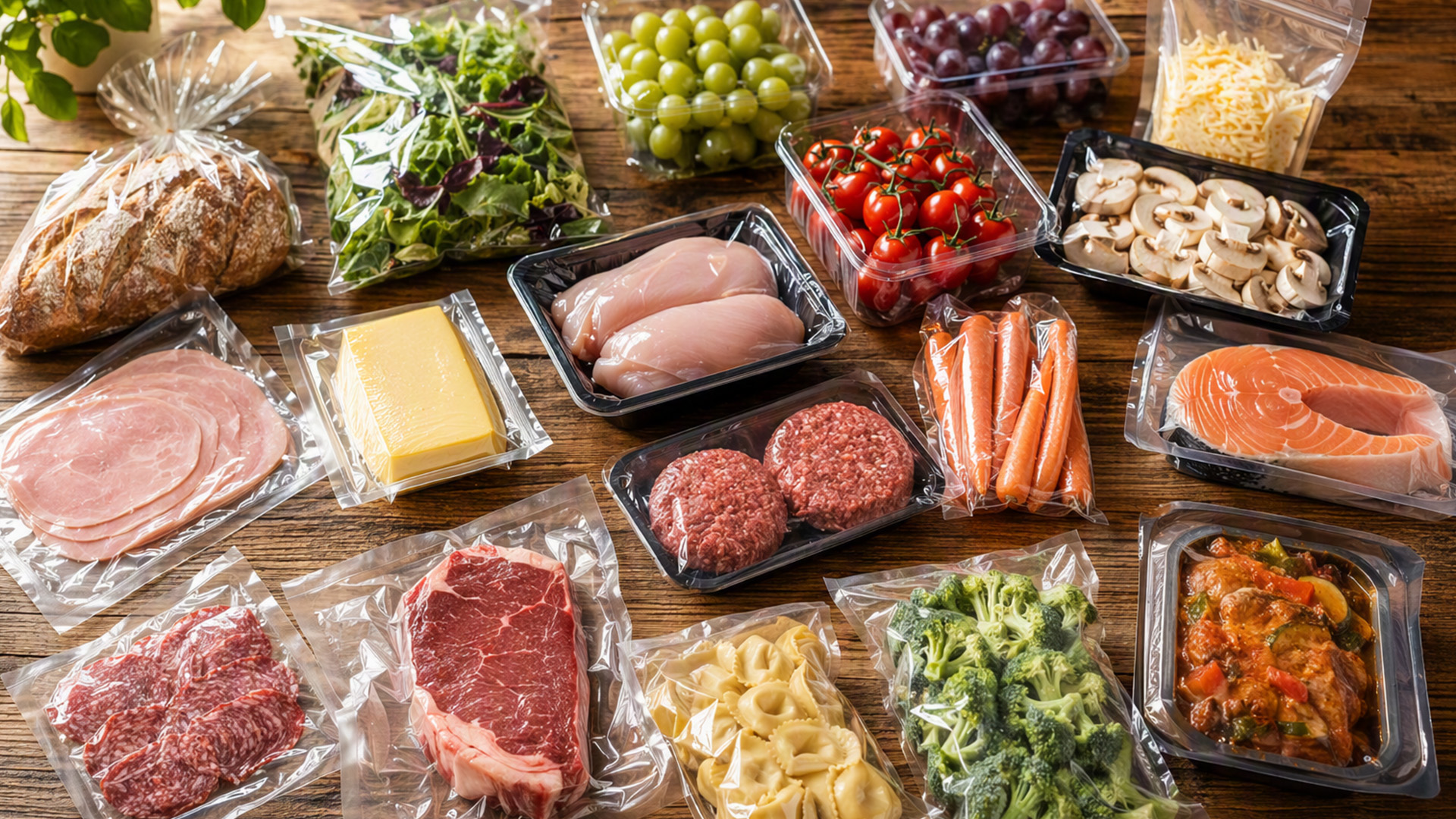
The most important contribution of modern packaging is longer shelf life. With tailored barrier properties, suitable film structures, and technical functions, oxygen, moisture, and other harmful environmental influences can be controlled. This protects nutrients, preserves flavor, freshness, and appearance and reduces losses all along the supply chain, from producers and retailers to consumers at home.
Why this matters:
Every extra day that a food product remains safe to consume lowers the risk of spoilage, write-offs, and unnecessary disposal.
Packaging protects products from mechanical damage, contamination, environmental influences, and tampering. This protection is not a side issue – it is the basic requirement for food to be transported, stored, and sold safely. Especially in complex or long supply chains, effective packaging often determines whether products reach consumers in perfect condition – or fail before they get there.
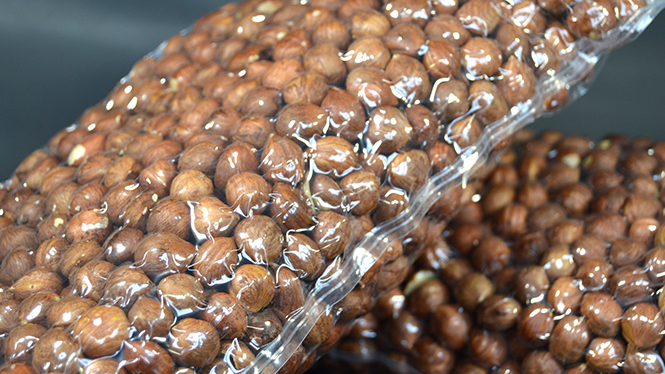
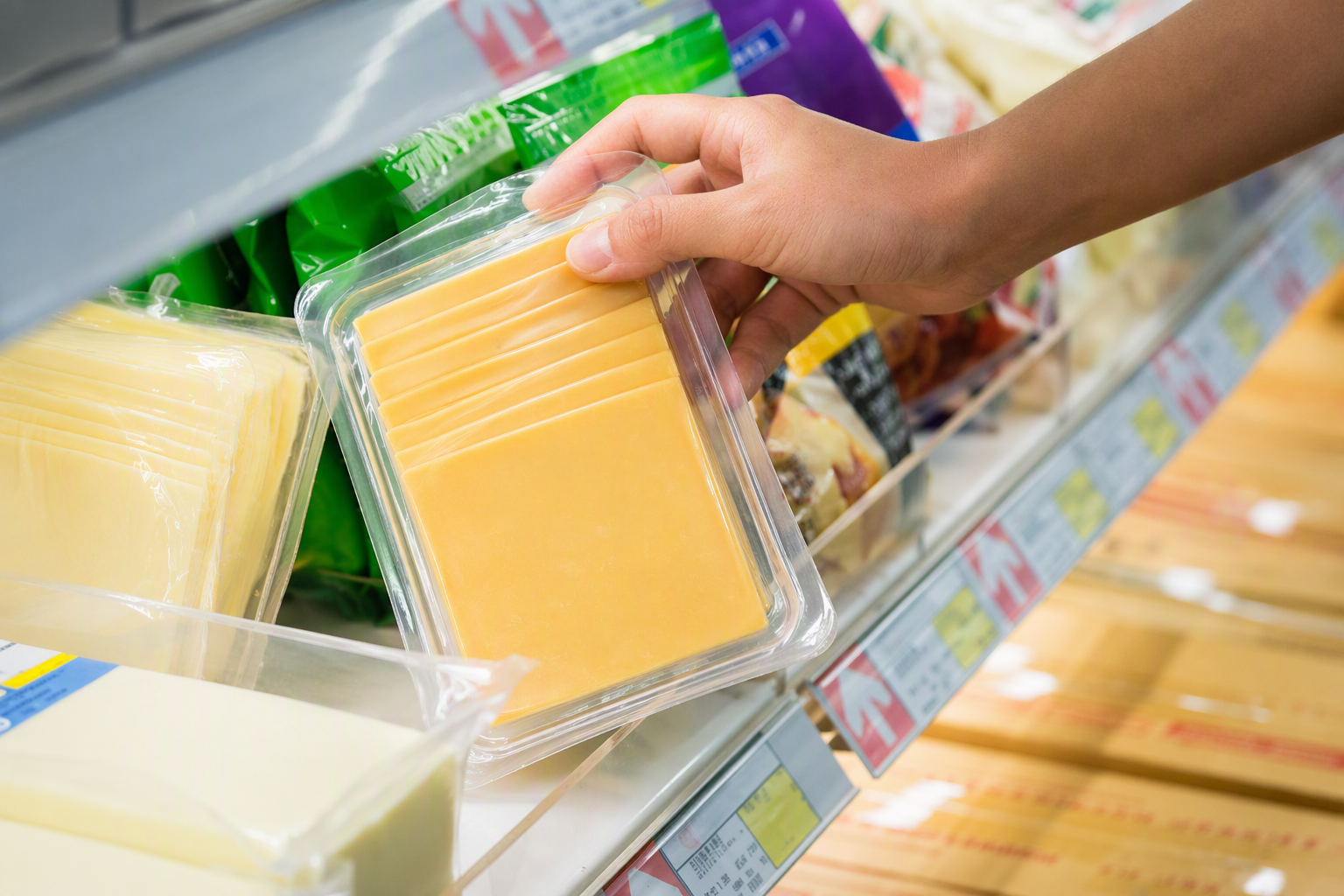
Not every pack fits every lifestyle. Oversized formats, missing resealability, or impractical handling can quickly lead to leftovers drying out, losing quality, or ending up in the trash. Good packaging therefore needs to reflect not only the product itself, but also the real needs of end consumers – whether they live alone, in families, or consume food on the go.
Everyday example: cheese in the fridge
It is a simple example – which is exactly why it is so telling: an attractively priced family pack of cheese ends up in the fridge of a single household. Only a few slices are taken out, the rest is left half-open. The very next day, the cheese is dried out and unsightly. The result: it is thrown away.
What does this tell us? First, choosing the right pack format and pack size makes it possible to match product volume more closely to the needs of end consumers and households. Second, the shelf life of opened products can be significantly extended by using packaging with practical resealing features.
Whether food is best packed in bags, trays, folding packs, shrink packs, skin packs, or thermoformed packaging depends primarily on the specific requirements, the product itself, and the desired level of convenience. For smaller operations as well as large-scale manufacturers, one thing is usually essential: the packaging system must be manageable. In other words, the machinery must be easy for operators to use, process reliability must be maintained, and above all, the packaging result has to be right.
Another important aspect is that packaging often has to happen locally. That is why industry should offer machine solutions and packaging concepts that meet local requirements in industrialized nations as well as in developing and emerging markets. The production of packaging materials, however, will still largely remain in developed countries. That means packaging materials will continue to be imported by many emerging economies in the future.
Conclusion:
Only suitable concepts can ensure that a growing global population is supplied with food safely and in compliance with hygiene standards. The fewer food products that are lost along the way, the better we use existing resources—and the more meaningful our contribution to climate protection becomes.
→ MAP (modified atmosphere packaging): Instead of normal air, the pack contains a product-specific gas mixture – ideal for fresh foods, protein-rich products, and bread and baked goods.
→ EMAP: Particularly suitable for fruit and vegetables; microperforation allows for controlled gas exchange.
→ Vacuum: Removing oxygen slows down biological degradation processes.
→ Skin: The product is enclosed like a second skin, keeping it in place while protecting it effectively.
Note: Selected graphics used in this article were created with the support of generative AI.