


SÜDPACK Newsletter
Receive regular updates about SÜDPACK, our products and sustainability topics.
Receive regular updates about SÜDPACK, our products and sustainability topics.
Why material quality is critical to processability, performance, and circularity
The use of recyclates is gaining importance due to regulatory requirements, corporate sustainability targets, and changing market expectations. However, it is not only the recycled content of a package that matters, but also the quality of the material used. This article explores the criteria used to assess recyclates, the differences between PCR and PIR, and how material quality can affect processing and product properties.
What does recyclate quality actually mean?
Why recyclate quality matters to manufacturers
How to identify high-quality recyclates
PCR or PIR: Are there differences in quality?
How is high-quality recyclate produced?
What can cause poor recyclate quality?
Recyclates are considered an important building block of a functioning circular economy. But anyone looking to use recyclates in packaging or technical applications soon discovers that not all recyclates are the same.
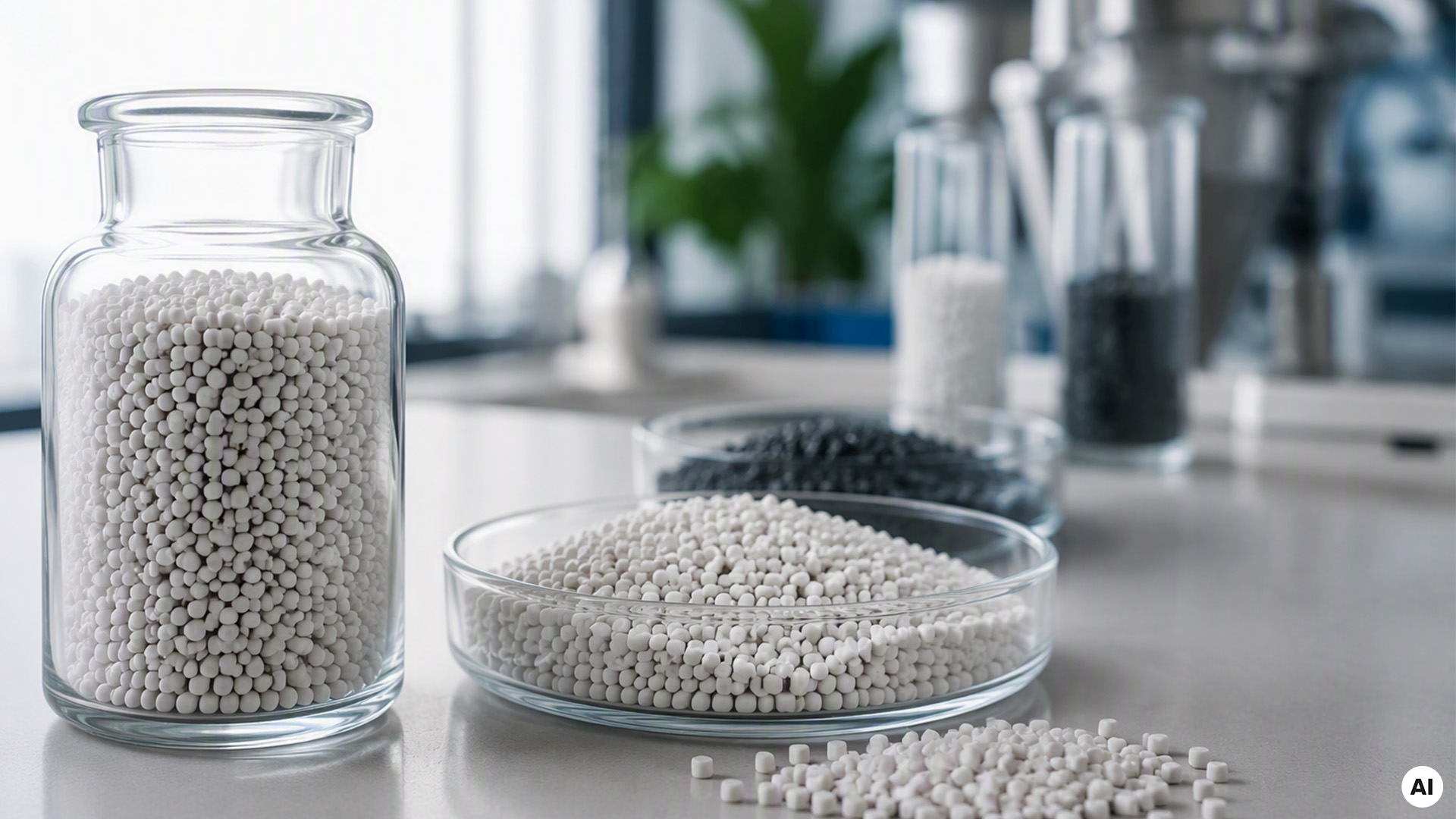
Recyclate quality describes the full range of properties of a recycled plastic that are relevant to its further processing and intended use. These include mechanical properties, purity, color, odor, processability, and the consistency of material properties across different batches. Recyclates with defined and consistent properties can help make processing more predictable and support compliance with specified product requirements.
This consistency is particularly important for manufacturers of packaging, medical devices, technical components, and consumer goods. Their products must meet defined requirements, regardless of whether virgin resin or recyclates are used.
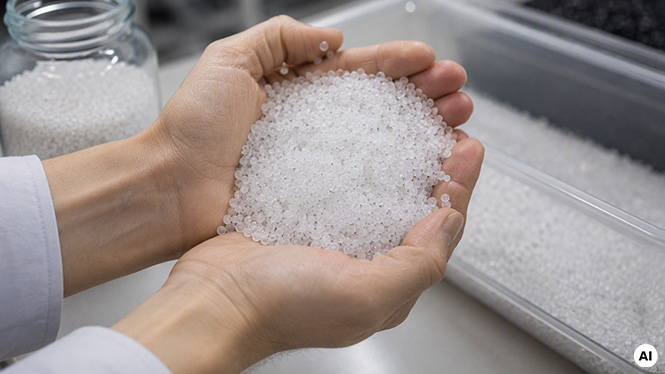
Requirements for packaging and plastic products remain high.
They must run reliably on processing equipment, provide defined mechanical properties, and meet the quality expectations of customers and consumers.
Fluctuations in recyclate properties, by contrast, can cause production issues. Changes in flow behavior, color variations, contamination, or inconsistent strength can make processing more difficult and may increase scrap rates.
For brand owners, product quality is also closely linked to brand perception. A product that does not meet visual or functional expectations can undermine customer trust. Simply increasing the recycled content of a package is therefore not enough. The recyclates used must consistently deliver the required quality.
High-quality recyclates are characterized by several quality criteria.
The most important include:
The material purity of the input streams influences the resulting recyclate quality. Homogeneous plastic streams with minimal contamination facilitate targeted processing and can help achieve defined material properties.
In mechanical recycling, sorting, washing, and reprocessing processes influence the properties of the resulting recyclate. Precisely controlled processes can reduce contamination and help meet the quality requirements defined for a specific application.
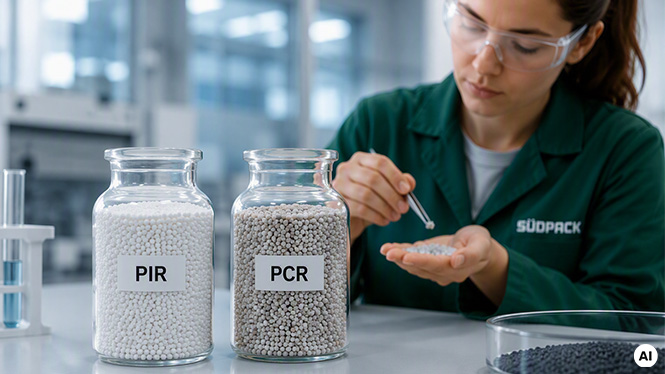
Any discussion of recyclate quality inevitably includes the terms PCR and PIR.
PIR (post-industrial recyclate) is produced from manufacturing waste such as trim or scrap generated within industrial processes. If the origin, composition, and processing history of these materials are known and the material streams are kept separate, PIR can provide comparatively consistent material properties.
PCR (post-consumer recyclate), by contrast, is recovered from used products and packaging that have already been used by consumers. Reprocessing is considerably more complex because different materials, colors, and potential contaminants must be taken into account. This can make the quality requirements for PCR particularly demanding.
PCR is also gaining importance due to regulatory requirements. The European Packaging and Packaging Waste Regulation (PPWR) sets minimum recycled-content requirements for certain plastic packaging, to be met in accordance with the applicable provisions and deadlines; as a general rule, the relevant material is recyclate derived from post-consumer waste.
High-quality recyclate is not produced by chance. It is the result of a well-functioning value chain.
Key factors include:
Packaging development already establishes important conditions for subsequent sorting and recovery. Depending on the packaging structure, material combination, and available recycling infrastructure, mono-material concepts, limited material diversity, and recycling-compatible designs can support sorting and reprocessing and thereby influence the quality of the recyclates recovered.
Poor recyclate quality can have an impact throughout the value chain.
Potential consequences include:
Reliable material properties are essential, especially in demanding applications in the food, medical, and technical sectors. This shows that the discussion around recyclates is no longer solely about volume; quality is becoming increasingly important.
As regulatory requirements increase, demand for recyclates may also grow.
Whether suitable recyclates are available in the required quantities and quality depends on factors including material type, application, regulatory requirements, and regional recycling infrastructure.
A potential gap between demand and available recyclate quality is therefore being discussed for individual market segments.
It is therefore becoming more important for companies not only to use recyclates, but also to actively assess and safeguard their quality.
This is precisely where SÜDPACK comes in. SÜDPACK processes and develops PCR- and PIR-based materials and compounds for a range of applications. Sorting, reprocessing, and material development processes are used to address defined requirements for product protection, processability, and material quality. A material’s suitability is assessed for the specific application and against the agreed specifications.
Recyclates will play an increasingly important role in the packaging industry. Yet the success of a circular economy depends not only on the volume of recyclates used, but above all on their quality.
For packaging developers, brand owners, and processors, recyclate quality is therefore becoming a crucial factor. Using high-quality recyclates can support stable processes, reliable products, and the responsible use of valuable resources.
High-quality recyclates are characterized by high material purity, low levels of contamination, consistent material properties, and reliable processability. These factors can support consistent product quality and use across a broad range of applications.
Recyclate quality can be improved through recycling-compatible product design, clean material streams, efficient sorting and reprocessing technologies, and consistent quality controls throughout the value chain.
Quality variations can result from differences in material composition, contamination, colors, or additives in collection streams. In the case of PCR in particular, the origin and composition of the input materials can vary.