


SÜDPACK Newsletter
Receive regular updates about SÜDPACK, our products and sustainability topics.
Receive regular updates about SÜDPACK, our products and sustainability topics.
Part 3: Implementation in Practice: What Companies Can Expect Now
Why materials, data and responsibility need to be rethought
 12/06/2026
  6 min.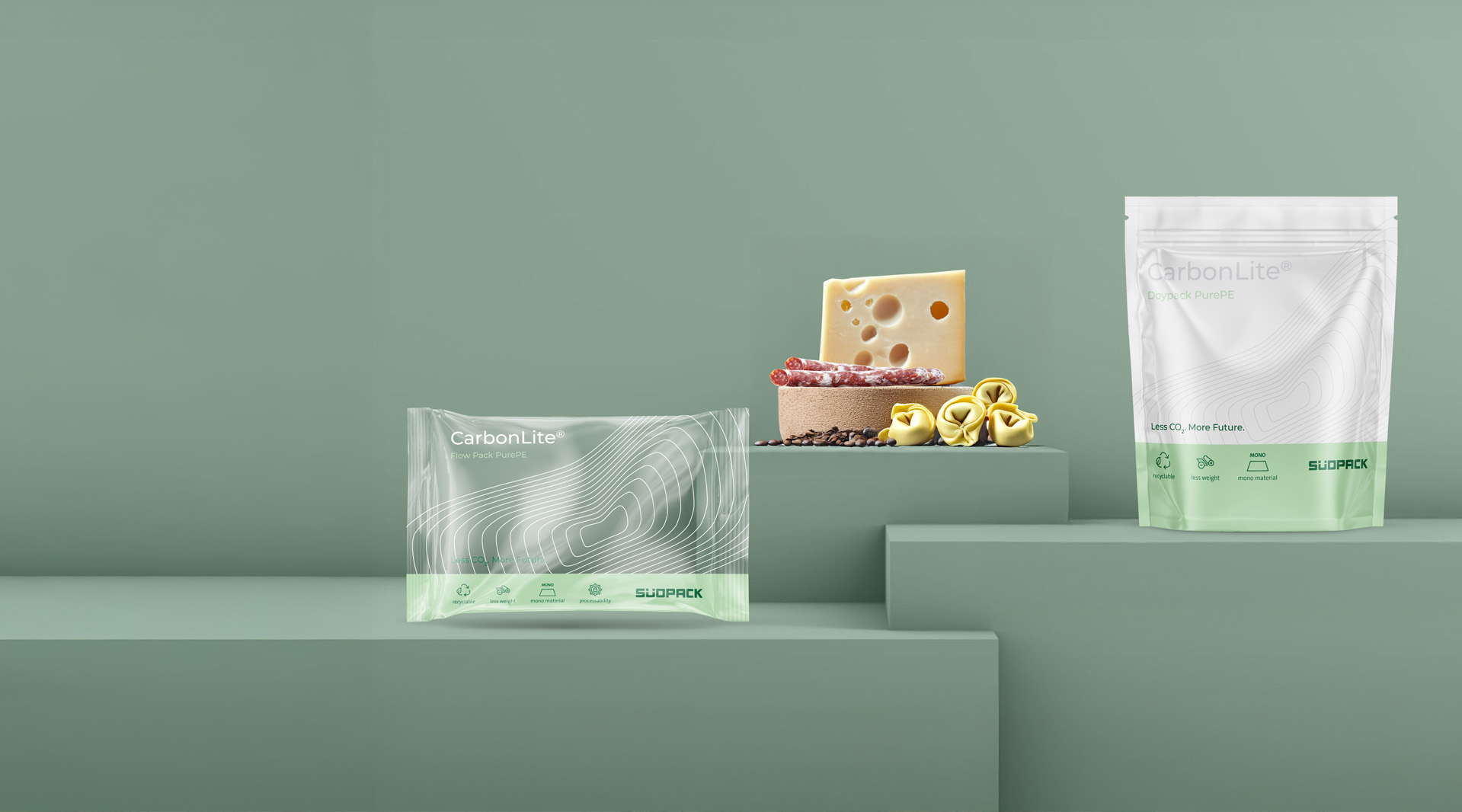
The PPWR has a deep impact on the total value chain. In the future, the spotlight will not only be on the finished packaging, but also on the material used to make it. For SÜDPACK, that is not a new way of thinking. When we develop innovative high-performance films or further develop proven material structures, we always have their performance, raw material properties, and the end-of-life scenario in mind.
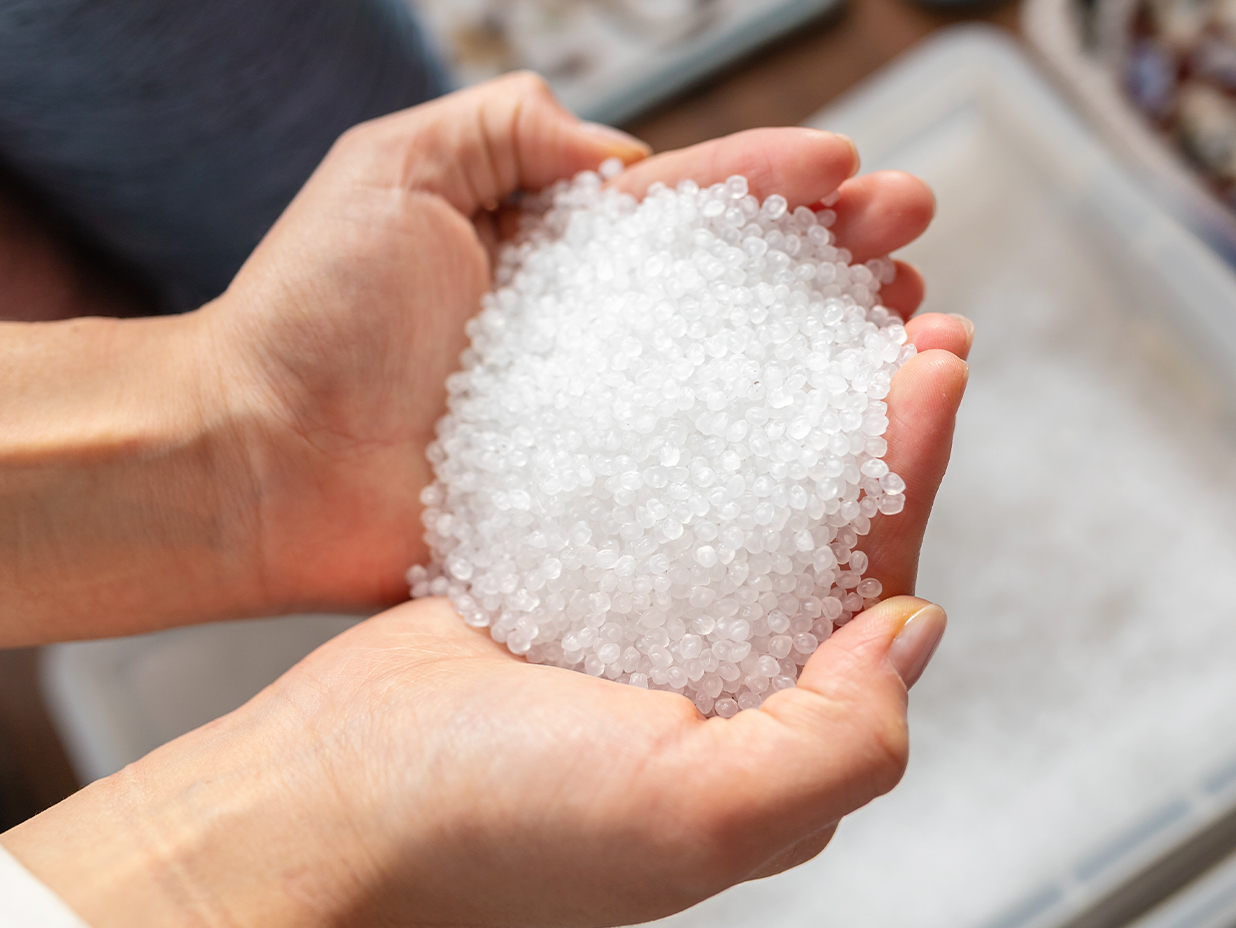
A good example is polypropylene (PP). Because of its recyclability, the material is considered an especially smart option in many European countries. PP is odorless, skin-friendly, and physiologically harmless – making it ideal for applications in the food and pharmaceutical sectors. It also offers a good water vapor barrier, low density, and a more favorable CO₂ footprint than other materials such as PVC/PVdC plus aluminum or PET. The fact that SÜDPACK opted for PP and PE-based mono films at an early stage proves to be the right strategic move against this backdrop.
A second central topic is recyclates. The proportion of recyclates required by the PPWR is ambitious – and not easy to achieve in practice. For one thing, there simply needs to be a significantly larger quotation of suitable recyclates on the market. For another, avoiding fluctuations in product properties remains a real challenge.
For film manufacturers, this means starting at the raw material, formulation, and process level at a very early stage in order to make the desired properties stable and reproducible. After all, the final packaging still needs to perform just as well as – or better than – conventional concepts, despite the use of recyclates. Early material decisions are therefore more important than ever.
Starting on August 12, 2026, new rules on the conformity assessment of packaging will also apply. Producers will generally be responsible – and liable –for compliance. At the same time, companies that import packaged products into the EU or distribute them in individual countries will also be subject to a duty of care.
The distribution of roles is particularly relevant here. The Commission clearly distinguishes between responsibility for packaging design and financial responsibility for waste management. The producer is responsible for the conformity of the packaging design and labeling. This is where the principle of the single point of responsibility applies – meaning there is only one producer. The producer, in turn, is responsible for financing the disposal systems as part of extended producer responsibility (EPR).

The PPWR makes it clear that the biggest challenge lies not only in the devolopment of recyclable packaging, but also in the procurement, processing and documentation of reliable data. In the future, it will no longer be enough to rely on statements from film or packaging manufacturers. roducers, manufacturers and distributors must prove that their packaging meets the legal requirements in the form of an audit-proof Declaration of Conformity (DOC) – traceable, verifiable and along the total supply chain.
This includes information on material composition, recyclability, additives, potentially undesirable chemical substances, and labeling. Even if this data fundamentally exists within a company, it often first has to be converted into a form that can be used for regulatory purposes. And they are often only available in incomplete form.
The challenge is further intensified by the fact that every change can trigger new testing and documentation obligations. A change of material, a new supplier, or an adjusted design – all of these must be reassessed and documented. In the food industry in particular, with its frequent product launches and portfolio adjustments, this workload is likely to be substantial in the future.
Another factor is that digital platforms and software solutions that can process these volumes of data and convert them into legally compliant DOCs are still rare. This remaining time must also be used to make it easier for companies to enter the new packaging era.
The PPWR is not a rigid, fully defined set of rules. Many elements will be specified in greater detail, adjusted, or supplemented through additional implementing acts in the years ahead. At the same time, technological progress continues – both in packaging production and in recycling. Funding programs, innovations, and new digital solutions will further accelerate this transformation.
Many stakeholders, including the IK Industrievereinigung Kunststoffverpackungen and SÜDPACK, are generally positive about the new guidelines. They create legal certainty on key points and provide the industry with a framework for the next steps. At the same time, open questions remain, and critical voices – such as Metal Packaging Europe – point out that unclear requirements could increase complexity and uncertainty.

Regardless of the open details, SÜDPACK considers itself well prepared. Our portfolio of material-efficient, recyclable films and packaging concepts already meets the requirements of the PPWR up to 2030 and continues to evolve in line with applicable standards. At the same time, we are working intensively on bio-based material structures, films with a higher recycled content, fewer harmful substances, and even better performance.
Thanks to our own recycling management system, we can also offer our customers high-quality recyclates and compounds made from production-related plastic waste, tailored specifically to their individual requirements.
The PPWR stands for more than just new rules. It fundamentally changes what packaging has to achieve in the future – technically, regulatorily, and in terms of the circular economy. For companies, this means more transparency, more obligations to provide evidence and more responsibility. At the same time, however, the regulation also creates an opportunity to drive innovation in a focused way and actively shape long-term resilience.