


SÜDPACK Newsletter
Receive regular updates about SÜDPACK, our products and sustainability topics.
Receive regular updates about SÜDPACK, our products and sustainability topics.
The SÜDPACK industry survey shows why technical innovations alone are often not enough and how important retailer acceptance is for new packaging concepts.
Sustainable packaging solutions for meat products face a dual challenge: They must support sustainability targets while meeting the stringent requirements of retail, production, and logistics. The results of the SÜDPACK industry survey show why retailer acceptance often determines which packaging concepts can be successfully established in the market.
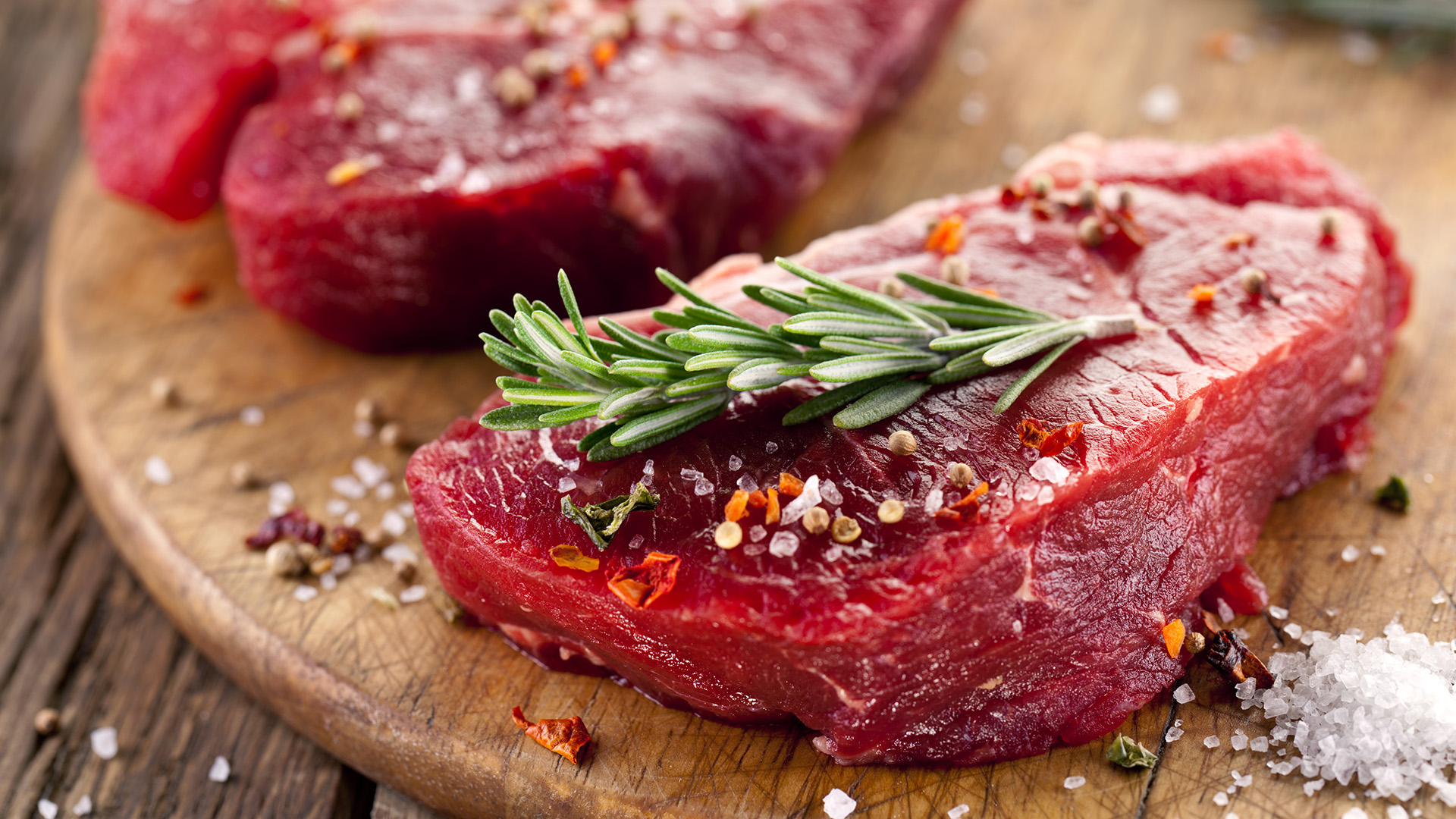
Shelf life remains a key factor
Sustainability remains on the agenda—but implementation is what counts
Why retail influences the launch of new packaging concepts
The PPWR increases the pressure for change
What successful packaging innovations have in common
Conclusion: Successful packaging transitions require more than new materials
The meat industry is undergoing a period of profound change. Meat production in Germany has declined in recent years. At the same time, consolidation within the industry is increasing. Plant closures, acquisitions, and growing competitive pressure illustrate how significantly market structures are changing.
Requirements across the value chain are also increasing. Companies must operate more efficiently, secure their supply chains, and adapt to new regulatory frameworks. At the same time, product quality, shelf life, and availability remain key market requirements.
Against this backdrop, packaging is becoming increasingly strategic.
The results of the SÜDPACK industry survey show that packaging today must do far more than simply protect the product.
It is evolving into a key tool for aligning quality standards, efficiency, market requirements, and sustainability targets.
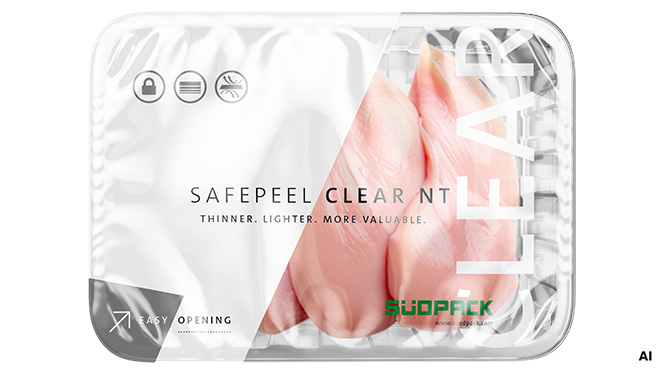
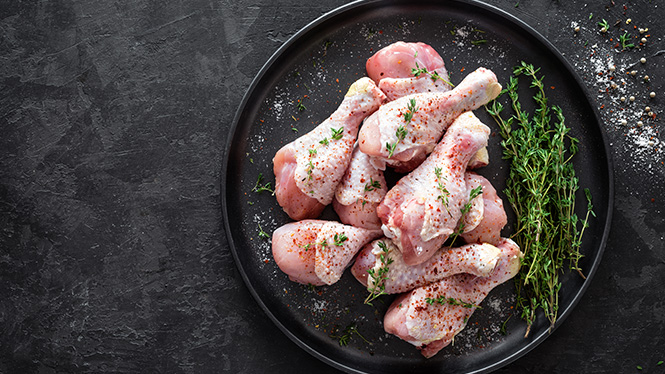
One key finding of the survey concerns the importance of shelf life.
Particularly for sensitive protein and meat products, the surveyed companies consider it an essential prerequisite for successful marketing.
This is especially true as convenience products continue to gain importance and supply chains increasingly focus on high product availability. Respondents rate shelf life as particularly relevant in the poultry segment.
For modern meat packaging, this means supporting product-specific requirements for protection and quality throughout the supply chain while also enabling an appealing presentation at the point of sale.
The survey therefore makes clear that packaging is increasingly viewed as part of a product's overall performance.
The surveyed companies continue to attach considerable importance to sustainability. Many respondents cite their own sustainability targets as well as assessment and certification systems as important points of reference.
When it comes to implementation, however, the picture is more nuanced.
Respondents identify the following approaches as particularly relevant:
Biodegradable packaging, by contrast, currently plays a secondary role. Many participants also remain critical of reusable systems because of economic and practical challenges.
One central insight from the study is particularly noteworthy:
From the respondents' perspective, technical availability alone is not enough. New packaging concepts must also meet product-specific requirements, be economically viable, and integrate into existing market structures.
This intersection is precisely where retail plays a particularly important role.
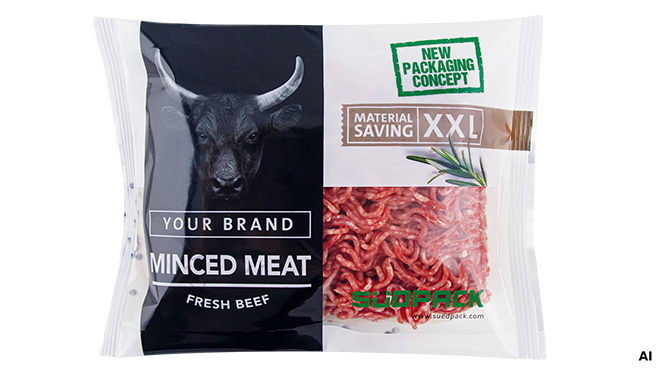
While regulatory developments such as the PPWR set the long-term direction, many respondents believe that the market launch of new packaging solutions is shaped primarily by the requirements of food retailers.
Respondents highlight the following expectations in particular:
At the same time, the survey results indicate that packaging innovations can often be introduced successfully when the relevant stakeholders across the value chain support them.
This applies, for example, to mono-material solutions and material-reduction concepts. Both approaches are generally viewed positively, but their implementation is often influenced by whether they can meet requirements related to product protection, appearance, processability, and marketing.
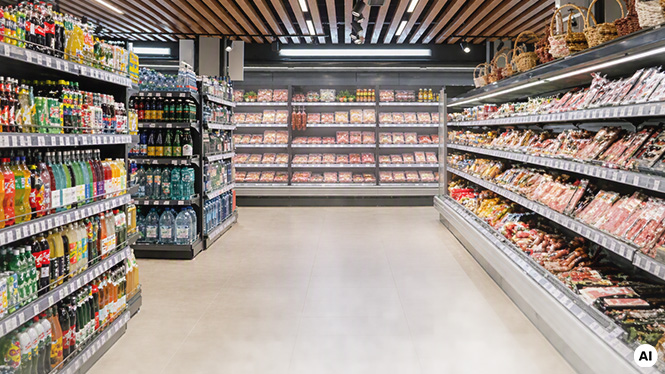
For manufacturers, this means that developing more sustainable meat packaging does not begin with material selection alone.
Understanding the requirements that retailers and the market place on new packaging concepts is equally important.
The European Packaging and Packaging Waste Regulation (PPWR) is adding further momentum to the market.
The regulation will introduce additional packaging requirements in the future. As a result, topics such as design for recycling, recyclability, and the use of recycled materials are becoming increasingly important.
However, the industry survey also shows that many companies do not view regulatory requirements in isolation. Instead, packaging solutions must address both regulatory developments and the practical demands of the market.
One point is clear: Successful packaging concepts of the future will emerge at the intersection of regulation, technical performance, and market requirements.
The SÜDPACK industry survey does not point to a single formula for success, but it does highlight the characteristics that are particularly relevant for new packaging concepts.
From the respondents' perspective, successful packaging innovations combine several factors:
→ reliable product protection
→ support for the required shelf life
→ economic viability
→ compatibility with existing processes
→ consideration of regulatory requirements
→ acceptance across the value chain
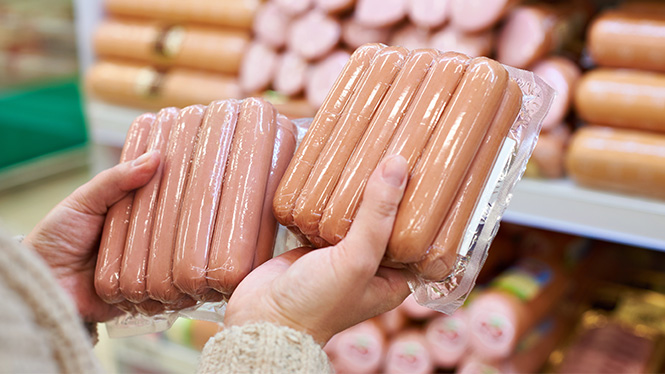
This makes it clear that packaging can no longer be viewed in isolation. It is part of an overall system that connects production, logistics, retail, and sustainability targets.
The meat industry faces the challenge of addressing economic requirements, regulatory developments, and sustainability targets at the same time.
The results of the SÜDPACK industry survey show that sustainable packaging solutions for meat products have the best prospects for a successful market launch when they combine technical performance, economic viability, and practical feasibility.
Retail plays an important role in this process. The survey suggests that retailer requirements have a decisive influence on which packaging concepts make it to market.
For manufacturers, this means that the future success of new packaging solutions will be determined not by material innovations alone, but by the ability to translate requirements across the entire value chain into a viable overall concept.
Meat products place stringent demands on hygiene, product protection, product safety, and shelf life. Packaging solutions must meet these requirements while also addressing objectives such as material efficiency and recyclability.
The SÜDPACK industry survey shows that many companies view retail as an important influence on packaging decisions. Retailer requirements can significantly shape the introduction of new packaging concepts.
The PPWR will introduce additional packaging requirements. These include aspects of design for recycling, recyclability, and the use of recycled materials.
New packaging concepts must meet technical, economic, and market requirements. Collaboration across the value chain can help align these requirements more effectively.
The survey points in particular to trade-offs among product protection, shelf life, economic viability, processability, and market requirements. New solutions must also be compatible with existing processes.