


SÜDPACK Newsletter
Receive regular updates about SÜDPACK, our products and sustainability topics.
Receive regular updates about SÜDPACK, our products and sustainability topics.
Sustainability, transparency, and smart features: which packaging trends really drive purchase decisions for Generation Z and Alpha
Generation Z and Generation Alpha are driving new expectations for packaging: sustainability, transparency, digital features, and convenience are becoming must-haves. For manufacturers, this means treating packaging as a strategic touchpoint—one that informs consumers, builds trust, and makes brand values visible. Companies that respond to these packaging trends can strengthen their competitive position and build long-term brand loyalty.

 01/07/2026
  4 min.
 Why Generation Z & Alpha are crucial for the packaging industry
How young consumers make purchase decisions
Sustainability as a basic requirement - not as a differentiating feature
Convenience & Digital natives: smarter packaging is key
Design & Aesthetics: How packaging speaks to digital natives
What this means for packaging developers & food manufacturers
Generation Z and Generation Alpha are shaping the consumer decisions of tomorrow—and increasingly, those of today. Gen Z has already become a powerful consumer group across many food categories, while Gen Alpha is already having a significant influence on household decisions. Studies show that both generations develop brand awareness early and actively help shape purchasing choices— especially in family households.
For food manufacturers and packaging developers, this means one thing: packaging is more than just a protective layer. It has become a strategic touchpoint between product, brand, and values. It doesn’t just determine shelf life and safety—it influences whether a brand is perceived as credible, relevant, and future-ready.
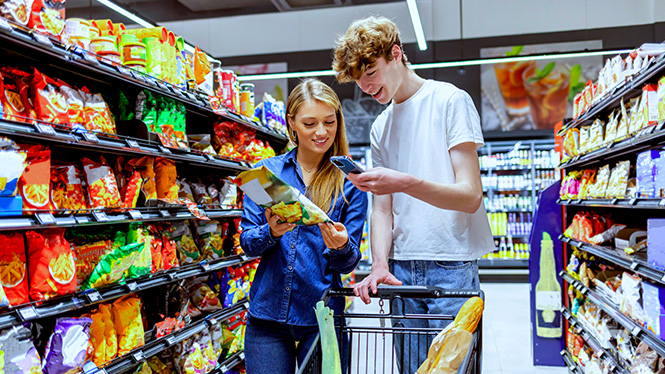
Gen Z’s expectations differ markedly from those of previous generations. Packaging is no longer judged purely by its functionality—it serves as a key source of information and a tool for building trust. Research indicates that a large share of Gen Z tries products for the first time because of eye-catching or credible packaging—and will quickly switch brands if disappointed.
At the same time, claims are not taken at face value. Gen Z checks sustainability claims, compares brands online and researches additional information directly at the point of sale. Packaging must communicate content quickly and clearly, making decisions easier—both on the shelf and in digital environments.
For younger audiences, sustainability is not a “nice-to-have”—it’s a baseline expectation. Multiple international studies show that Gen Z and Millennials are more willing than other groups to pay more for sustainable packaging—even though traditional factors like price, product safety, and shelf life still dominate.
At the same time, a well-known gap remains between attitudes and behavior: positive perceptions only translate into purchases when sustainability is communicated in an understandable, verifiable and credible way. For packaging developers, this means that materials, recyclability, and CO₂ benefits must be transparent and easy to understand—ideally communicated directly on the packaging itself.
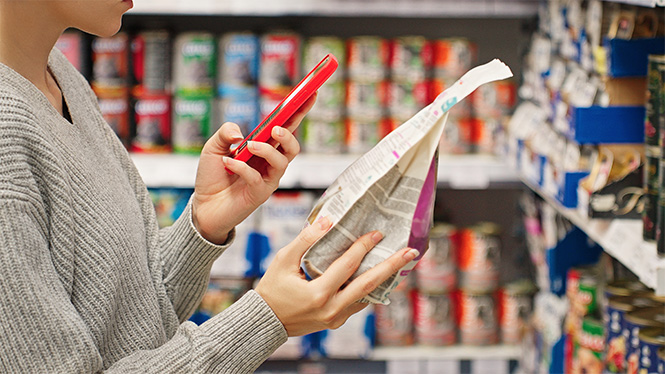
Gen Z and Alpha are digital natives. They expect packaging to connect the physical and digital worlds. QR codes, NFC elements, and digital twins can provide insight into origin, recycling, and usage while demonstrably increasing brand trust.
At the same time, convenience features are gaining importance. Resealable systems, intuitive opening mechanisms, and easy portioning align with the flexible lifestyles of younger consumers. Studies show that convenience packaging is viewed positively by Gen Z—as long as it is not perceived as excessive or wasteful.
For Gen Z, design is not an end in itself—it’s an expression of identity. Packaging is photographed, shared, and associated with personal values. Clarity, material authenticity, and visual structure matter more than playful or overly decorative design.
For Generation Alpha, another factor comes into play: early brand loyalty. Research shows that children can recognize brands and understand their values as early as elementary school age—especially when sustainability is visibly integrated into the design.
The expectations of younger target groups cannot be met with a single feature. What’s required are holistic packaging solutions that combine functionality, sustainability, design, and communication.
For B2B stakeholders, this means:
- Sustainability must be considered together in the choice of materials, design and communication
- Packaging should enable digital transparency without being overwhelming
- Convenience must not come at the expense of recyclability
- Packaging design becomes part of the brand strategy—not just a container
Anyone who takes packaging for Generation Z seriously is not only investing in market relevance, but also in long-term brand loyalty.

Gen Z expects packaging to be sustainable, transparent, and functional. Studies show that while environmental factors are important, product safety, shelf life, and clearly understandable information remain critical.
While Gen Z actively researches and makes independent purchase decisions, Generation Alpha exerts more influence on family buying behavior. However, both generations share high expectations of sustainability and digital transparency.
Transparent material communication, QR codes, convenience packaging, and clean, authentic design are among the most important trends for younger audiences.
Note: Selected graphics used in this article were created with the support of generative AI.