


SÜDPACK Newsletter
Receive regular updates about SÜDPACK, our products and sustainability topics.
Receive regular updates about SÜDPACK, our products and sustainability topics.
Nutraceuticals: Between two worlds
With the EU Packaging and Packaging Waste Regulation (PPWR) set to apply from August 2026, the packaging market is approaching a regulatory turning point. By 2030 at the latest, significantly stricter requirements for recyclability and recycled content will apply- including for food supplement packaging. This is precisely where a structural tension becomes apparent: nutraceuticals operate at the intersection of the food and pharmaceutical markets, yet they are governed by their own distinct legal framework.
 08/06/2026
  4 min.
 Nutraceuticals: Between two worlds, butlLegally distinct
Why pharmaceutical blister concepts are no longer sufficient
NutriGuard®: transferred expertise, redefined for the food supplement market
PPWR-compliant — and designed consistently for circularity
More than regulation: performance, processing and brand impact
What may seem like a minor detail at first glance has far-reaching consequences in the context of the PPWR - especially for blister packaging.
Food supplements combine nutritional functionality with health-related benefits. In terms of dosage form, dosing, and product protection requirements, they often resemble pharmaceutical products. Legally, however, they are clearly classified as foods. That is exactly what makes them a special case under packaging law.
While primary packaging for medicinal products is currently exempt from key PPWR requirements, that exemption does not apply to food supplements. From 2030 onward, food-law packaging requirements under the PPWR will apply to this category on a binding basis: at least 70 % recyclability in line with EU standards and 10 % post-consumer recyclate (PCR).
This brings a long-standing practice to an end: packaging nutraceuticals in conventional pharma-oriented PVC/PVdC blisters with aluminum lidding—material structures that provide excellent product protection but are not recyclable.
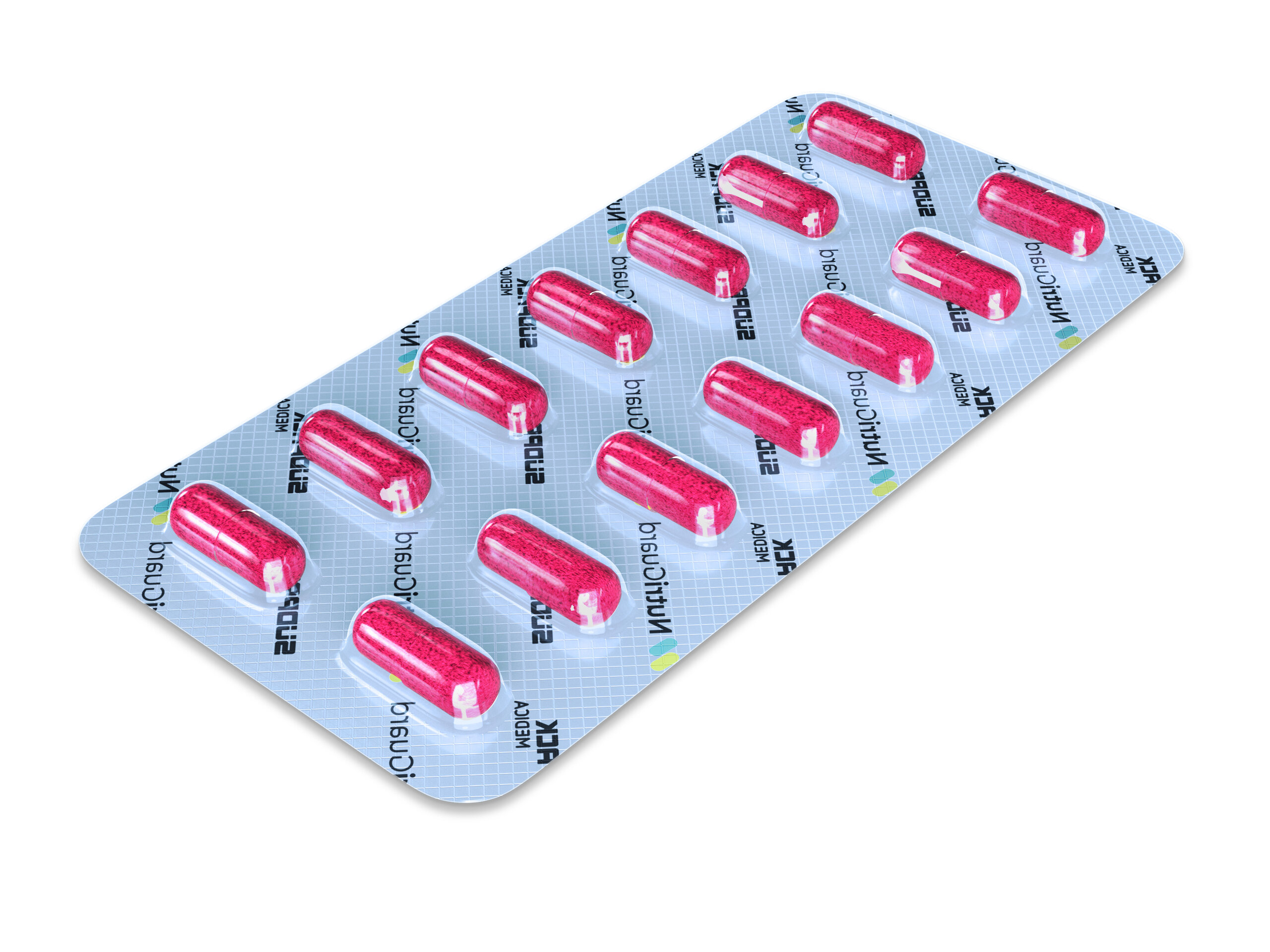
Blister packaging has become well established for food supplements for good reason: it reliably protects individual tablets or capsules against moisture, enables convenient dosing and delivers high packaging efficiency. For decades, the sector has largely relied on material concepts adopted from the pharmaceutical industry.
However, the PPWR is changing the benchmark. What may remain permissible in a pharmaceutical context is no longer a viable regulatory option for nutraceuticals. Unlike medicinal products, packaging for food supplements must now be designed consistently in line with the principles of design for recycling and design for circularity.
The implication is clear: nutraceuticals require a standalone packaging concept—one that is deliberately separated from traditional pharmaceutical blister solutions.
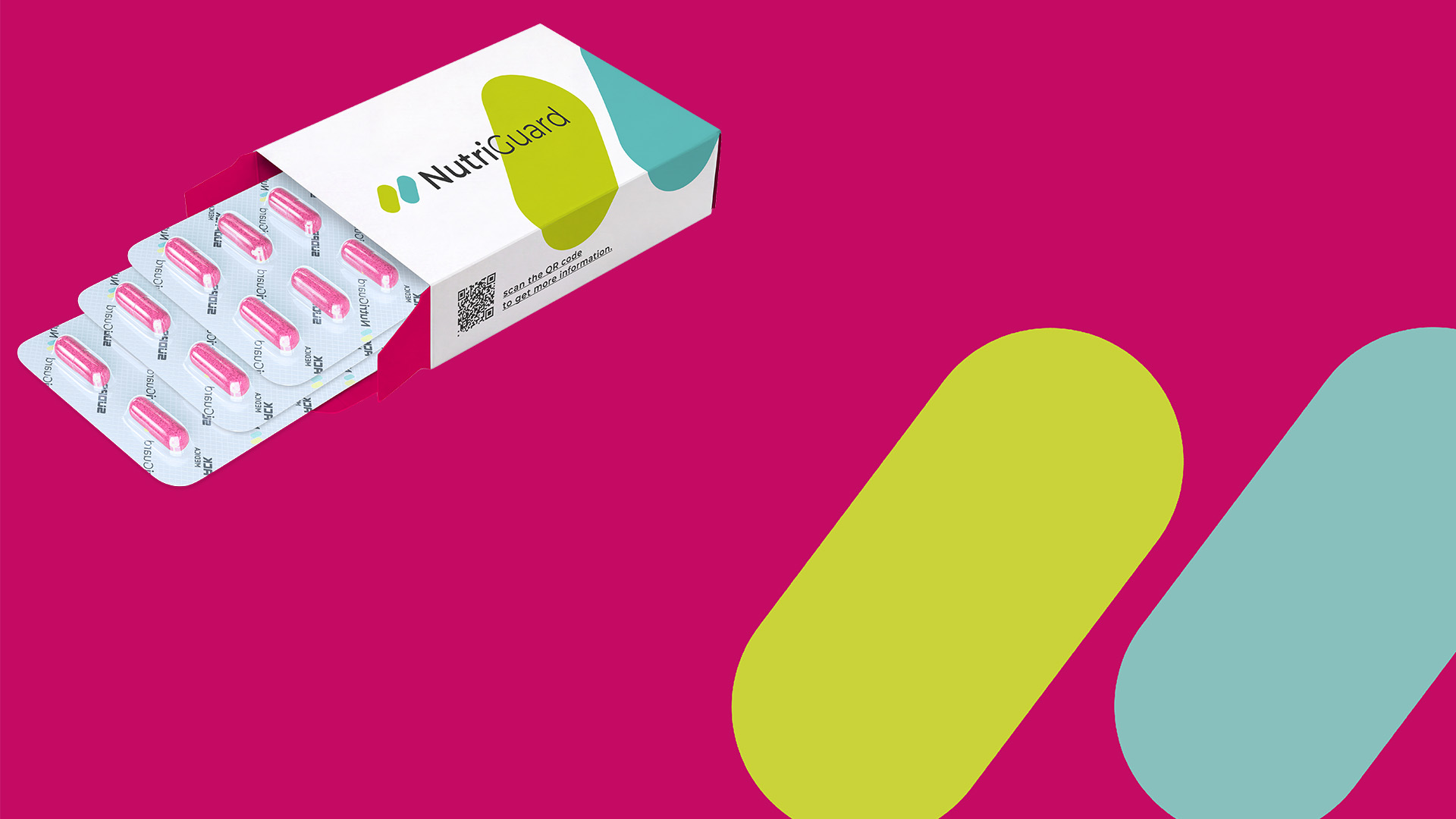
With NutriGuard®, SÜDPACK Medica has closed precisely this gap. While the blister concept builds on the company’s extensive development expertise from the award-winning PharmaGuard® system, it has been purposefully and consistently tailored to the requirements of the nutraceutical market.
The key difference lies not in the level of product protection, but in the regulatory and material approach:
- PharmaGuard® is designed for pharmaceutical applications—a market that is currently not the focus of the PPWR’s sustainability quotas.
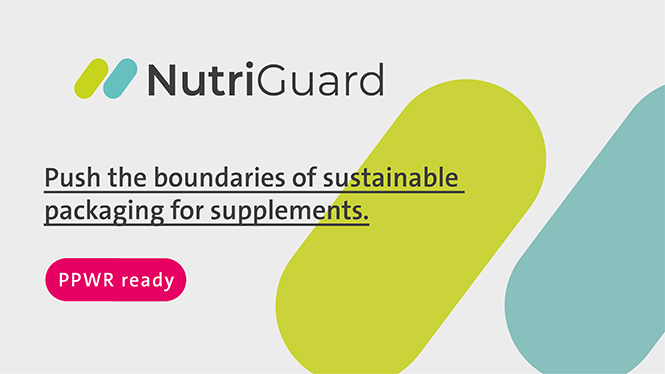
- NutriGuard®, by contrast, was developed from the ground up with the PPWR in mind: as a PP-based mono-material solution that meets food-law requirements for recyclability and circularity.
Instead of relying on complex material composites, NutriGuard® uses a coordinated thermoforming and lidding film made of polypropylene. The packaging system can be integrated into established European PP recycling streams and its recyclability can be independently certified.
Based on current calculation standards, NutriGuard® already meets the PPWR requirements for recyclability that will apply from 2030 onward. In addition, SÜDPACK Medica offers the solution with more than 10 % post-industrial recyclate (PIR) sourced from the company’s own mechanical recycling management system. A further developed version will also enable the required post-consumer recyclate content in the future.
This also creates additional benefits for manufacturers and distributors: switching to recyclable packaging has a positive impact on the EPR fees, which will become stricter in 2026 and be calculated based on environmental impact and recyclability.
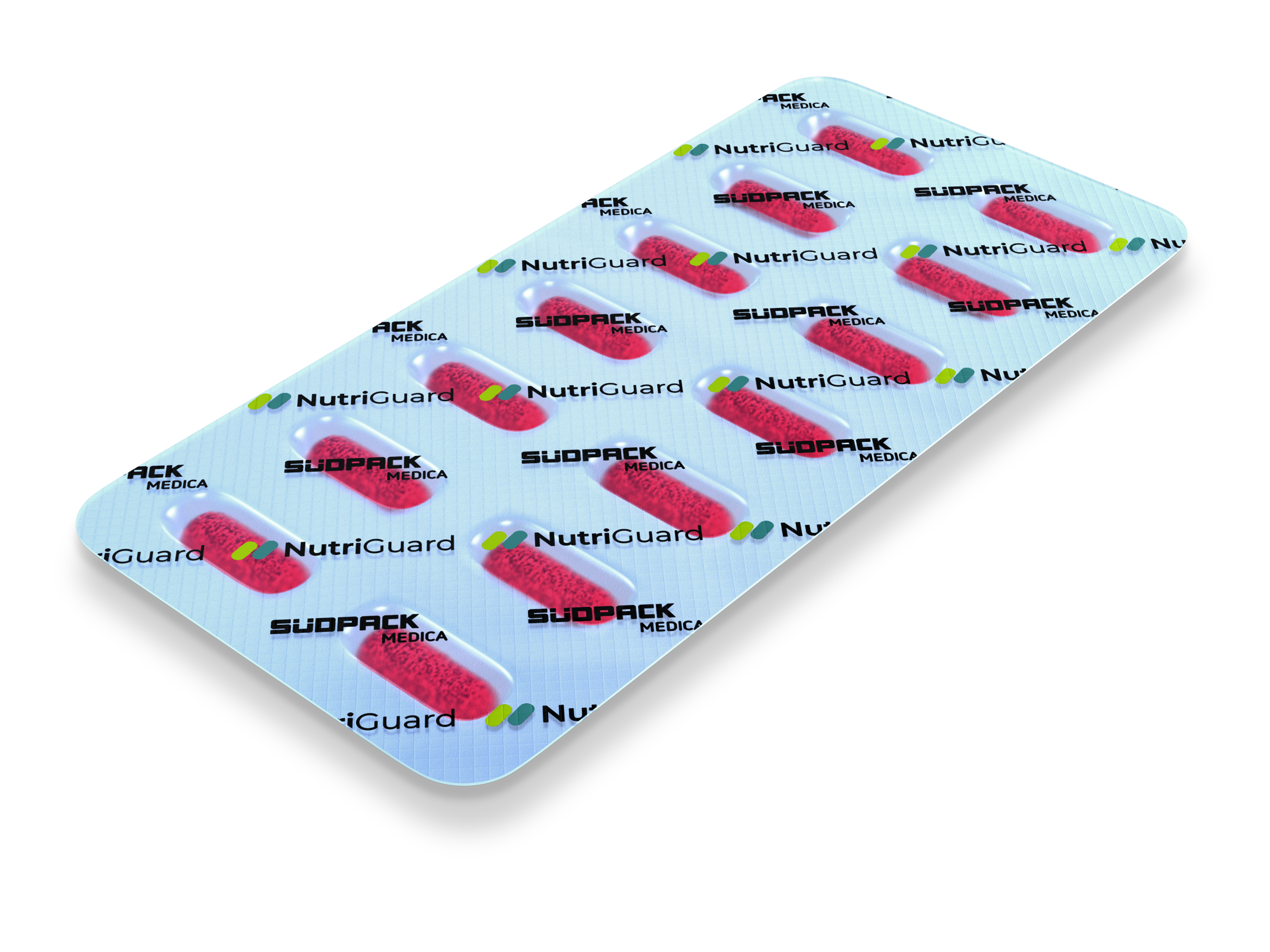
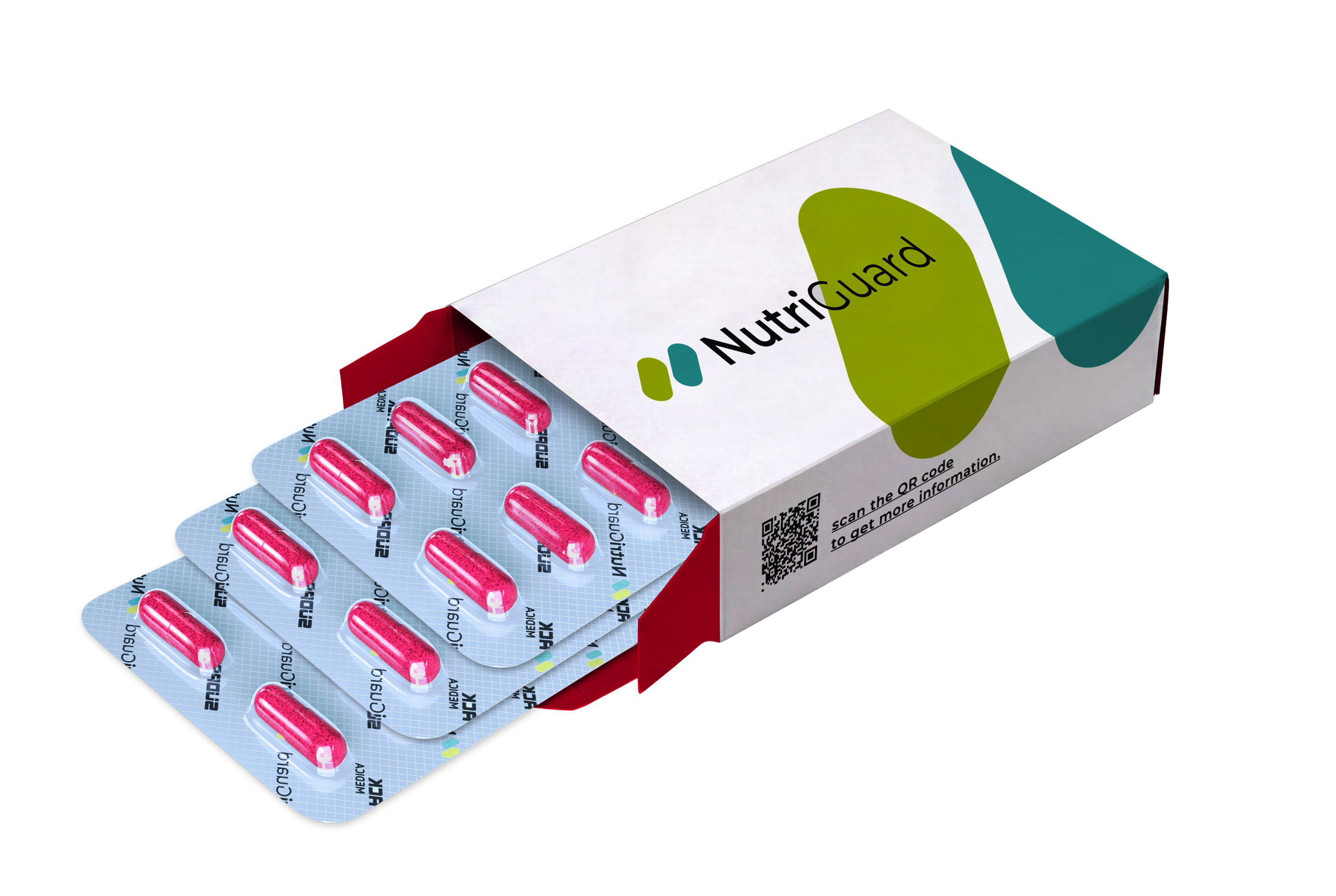
Beyond regulatory future-readiness, NutriGuard® also delivers strong functional performance. Polypropylene offers a better CO₂ footprint than PVC/PVdC and aluminum-containing structures and is increasingly being assessed—even in the pharmaceutical industry—as a future-proof packaging material for low to medium barrier requirements.
In application, NutriGuard® stands out with good machinability, controlled sealing and push-through performance of the lidding film and a high level of user convenience—properties that have been specifically engineered through SÜDPACK’s in-house compounding expertise. Last but not least, the excellent printability of the lidding film with food-compliant inks opens up new opportunities for premium branding at the point of sale.
The PPWR makes one thing clear: what is treated differently from a regulatory perspective must also be clearly differentiated in packaging terms. Nutraceuticals are not medicinal products—and in the future, their packaging cannot be treated as if they were.
With NutriGuard®, SÜDPACK Medica has created a dedicated blister solution that meets the specific requirements of this growing market—sustainable, recyclable, and consistently aligned with the future of the circular economy. NutriGuard® is therefore not just an alternative to previous blister concepts, but a necessary step in response to the ongoing regulatory realignment.