


SÜDPACK Newsletter
Receive regular updates about SÜDPACK, our products and sustainability topics.
Receive regular updates about SÜDPACK, our products and sustainability topics.
A Packaging’s Recyclability is Determined Long Before the Final Design
Learn why the right choice of polymers, additives, and recyclates lays the foundation for high-quality material loops — and how SÜDPACK’s innovative compounds help combine technical performance and circularity from the very start.
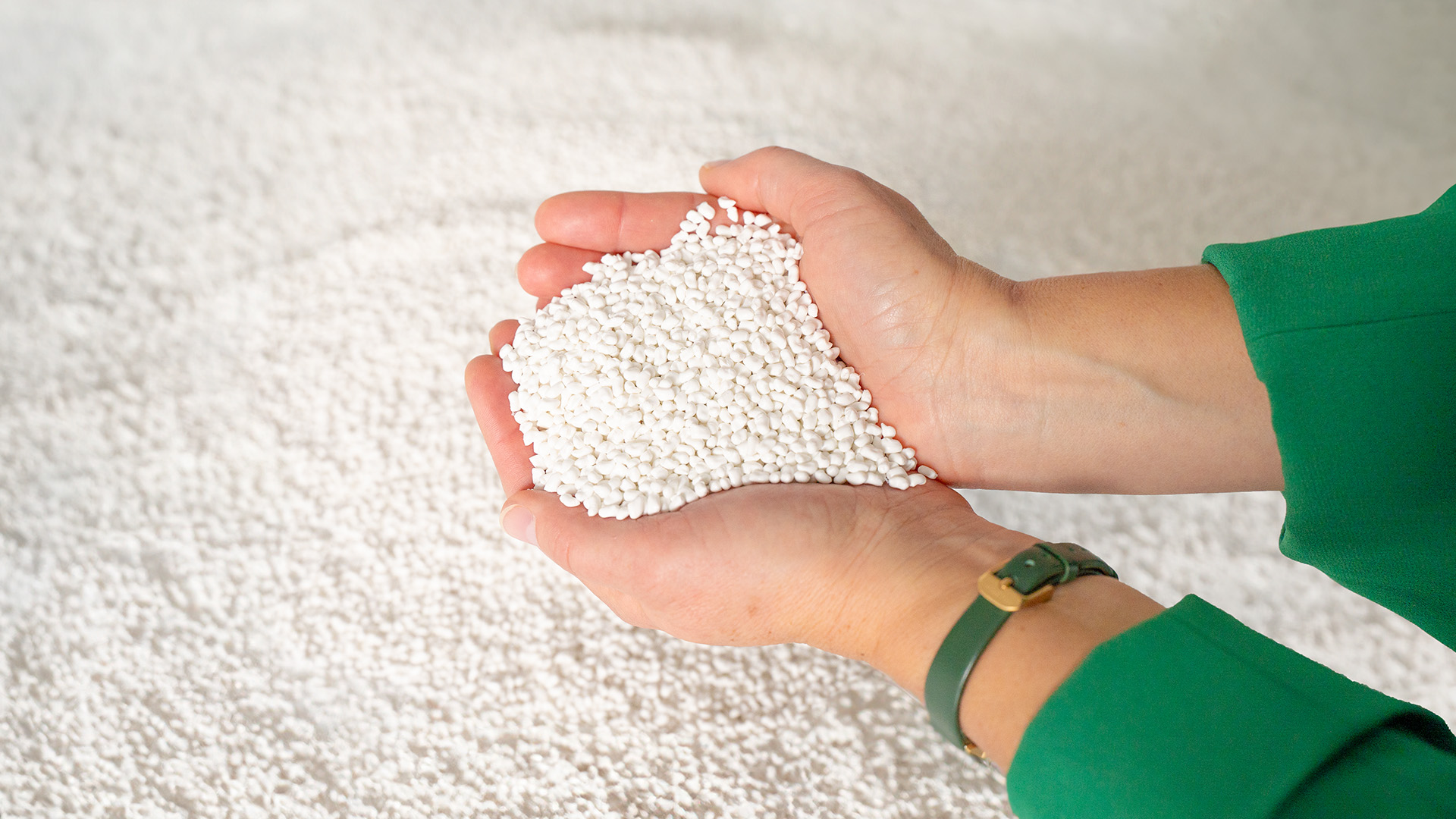
When recyclable packaging is discussed, the term design for recycling often comes up. Yet long before packaging developers begin thinking about sealing layers, mono-material structures, or separability, one critical decision has already been made: the selection of material for recyclable packaging.
After all, the future recyclability of a package depends primarily on which polymers, additives, fillers, and recyclates are combined in the compound. Put simply: if a material has not been designed for circularity from the outset, it is difficult to turn it into a high-quality recyclate later. The quality of recycling is therefore predefined at the material level.
This is precisely where SÜDPACK’s competence center for compounding comes in. With its customized StarBlend® compounds, the company develops material solutions that consider technical performance and future circularity together from the very beginning. This is based on extensive expertise in polymers, additives, fillers, and recyclate integration. The raw materials used are traceable along the supply chain and are specifically tailored to the requirements of each application.
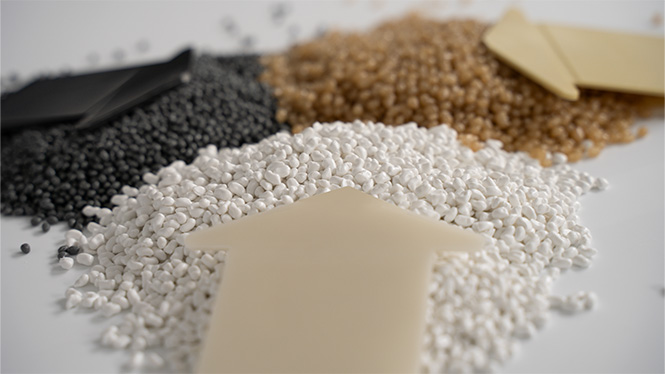
Recyclate quality is one of the key challenges of a circular economy. The more homogeneous and compatible the materials used, the greater the likelihood that recycling will produce a high-quality secondary raw material.
For packaging developers, this means that material selection should not only meet the requirements of the end product but also take future recycling processes into account.
The following factors are particularly important:
- selection of compatible polymer families
- targeted use of additives
- use of suitable fillers
- controlled integration of recyclates
- ensuring consistent material quality
If materials are combined that are difficult to process together during recycling, the mechanical properties of the recyclate may be affected. An intelligently engineered plastic compound, by contrast, makes it possible to align functionality and recyclability as early as the material design phase.
With the European Packaging and Packaging Waste Regulation (PPWR), material efficiency is becoming an increasingly important focus in packaging development. In the future, it will not only matter whether a package performs technically. It will be equally important how resource-efficient and circular the packaging materials used are.
This requires a shift in thinking across the entire value chain. Instead of adding more material layers or relying on complex formulations, the focus is increasingly moving toward customized compounds that provide the desired properties directly at the material level.
Targeted compounding, for example, can be used to precisely adjust mechanical, functional, or optical properties. This enables the development of applications that meet high-performance requirements while improving the prerequisites for high-quality recyclates.

A modern compound is much more than the sum of its individual components. The formulation determines how a material can be processed, which properties the packaging will have, and how well the material can be recycled at the end of its use phase.
SÜDPACK takes a holistic development approach. At the StarBlend® competence center for compounding, materials are developed and characterized in the laboratory.
This is followed by piloting, scale-up, and series production using comparable technologies. Extensive testing methods make it possible to evaluate mechanical properties, optical characteristics, and relevant material parameters.
This approach reduces development risks and creates the foundation for transferring new material concepts into industrial applications more quickly. At the same time, material properties can be validated at an early stage and aligned with the requirements of the circular economy.
Alongside conventional polyolefins, biobased materials are gaining importance.
Market forecasts indicate that global production capacity for biobased plastics could nearly double by 2030.
For packaging developers, this opens additional options when selecting materials for recyclable packaging.
At the same time, it raises the bar for material development.
Biobased raw materials often behave differently during processing than fossil-based alternatives and therefore require precise coordination of additives and formulations.
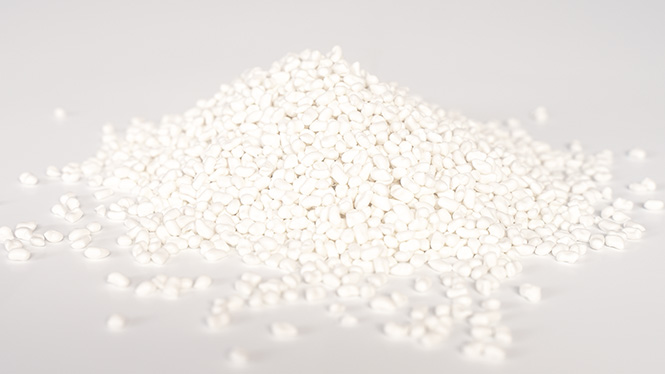
For these applications, SÜDPACK develops among others, PLA- and PBS-based compounds. While PLA offers high stiffness, good surface quality, and broad modification potential, PBS compounds are characterized by flexibility and impact strength. The portfolio is complemented by biobased PP compounds as well as PE compounds based on mass-balanced biogenic raw materials.
What matters is not the origin of individual raw materials alone. Rather, the decisive factor is an intelligent material architecture that brings together performance, processability, and regulatory requirements.
Packaging requirements are continuously increasing, while the PPWR is placing stronger emphasis on circularity, recyclate use, and resource efficiency.
For packaging developers, this means that the key innovations of the future will not emerge from packaging design alone, but already from the selection and development of materials.
Compounds are therefore evolving from pure material into a strategic lever for packaging development. Those who make the right material decisions today create the basis for high-quality recyclates, efficient material loops, and future-oriented packaging solutions.
With its StarBlend® compounds, SÜDPACK demonstrates how technological performance, material efficiency, and circularity can be combined at the material level. Because recycling does not begin after a packaging has been used — it starts with the compound from which it is made.
Compounds are specially formulated plastic blends made from polymers, additives, fillers, color masterbatches, or recyclates. They are explicitly developed to achieve defined mechanical, functional, or optical properties.
Compounds play a key role in determining the processability, stability, appearance, and functionality of packaging. At the same time, they influence future recyclability and recyclate quality directly at the material level.
Compounds enable the targeted integration of recyclates and biobased raw materials. They can help keep materials in the value cycle for longer and support more efficient use of resources.
The selection of compatible polymers, additives, and fillers influences how effectively materials can be recycled after use. Homogeneous material structures make reprocessing easier and often enable higher quality recyclates.
The PPWR increases requirements for recyclability, resource efficiency, and circularity. As a result, material development is becoming more important, since many of these requirements can already be influenced by selecting suitable packaging materials and compounds.