

SÜDPACK Newsletter
Receive regular updates about SÜDPACK, our products and sustainability topics.
Receive regular updates about SÜDPACK, our products and sustainability topics.
How materials, processes, and requirements are changing in the plastics industry
Growing demands for resource efficiency, fluctuating recyclate quality, and new digital capabilities are transforming compounding technology. In an interview with the VDI Wissensforum, Dr. Peter Ryzko, Manager R&D Compounding at SÜDPACK, explains which developments are currently shaping the industry and what role connected processes and data-driven decisions will play in the future.

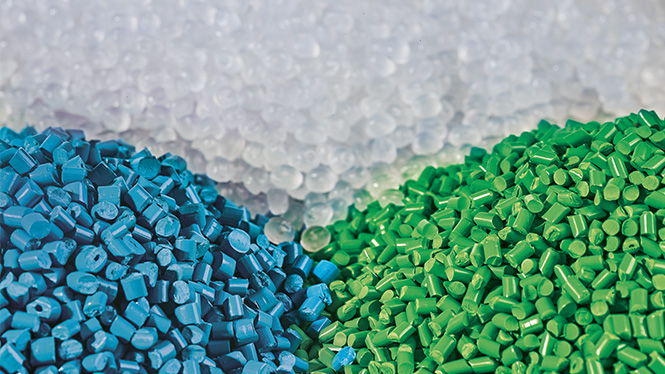
Compounding technology is undergoing a profound transformation. While quality and cost-effectiveness remain key requirements, topics such as the circular economy, digitalization, and automation are becoming increasingly important. According to Dr. Peter Ryzko, these developments are shaping not only material development, but also production processes and future business models.
The use of recyclates presents companies with a particular challenge: managing variations in raw material quality while ensuring consistent product properties. The ability to control material streams effectively and adapt materials to new requirements is therefore becoming an important success factor.
At the same time, digitalization is increasingly making its way into compounding. Production data is systematically collected and used to make processes more transparent and identify optimization potential at an early stage. Artificial intelligence applications are also playing a growing role. For example, they can help evaluate production data or improve predictions of quality characteristics.
Over the coming years, Ryzko expects machines, processes, and data to become more closely connected. This could enable data-driven insights to play an even greater role in development and production decisions.

In his interview with the VDI Wissensforum, Dr. Peter Ryzko takes an in-depth look at the challenges currently facing the industry, the importance of recyclates for material development, and why intelligent processes are becoming increasingly relevant.