


SÜDPACK Newsletter
Receive regular updates about SÜDPACK, our products and sustainability topics.
Receive regular updates about SÜDPACK, our products and sustainability topics.
Sustainable packaging has to strike a careful balance: protecting the product while reducing environmental impact.
How? With downgauged films that still deliver reliable performance, or with Design for Recycling—smart, recyclable mono-material structures instead of hard-to-separate composites. Added to this is the use of recycled or renewable raw materials and closed-loop concepts for production waste. A look at real-world practice shows why all of this matters.
 08/06/2026
  3 min.
 When people talk about sustainable packaging, the conversation often turns into an either/or: environmentally friendly—or safe.
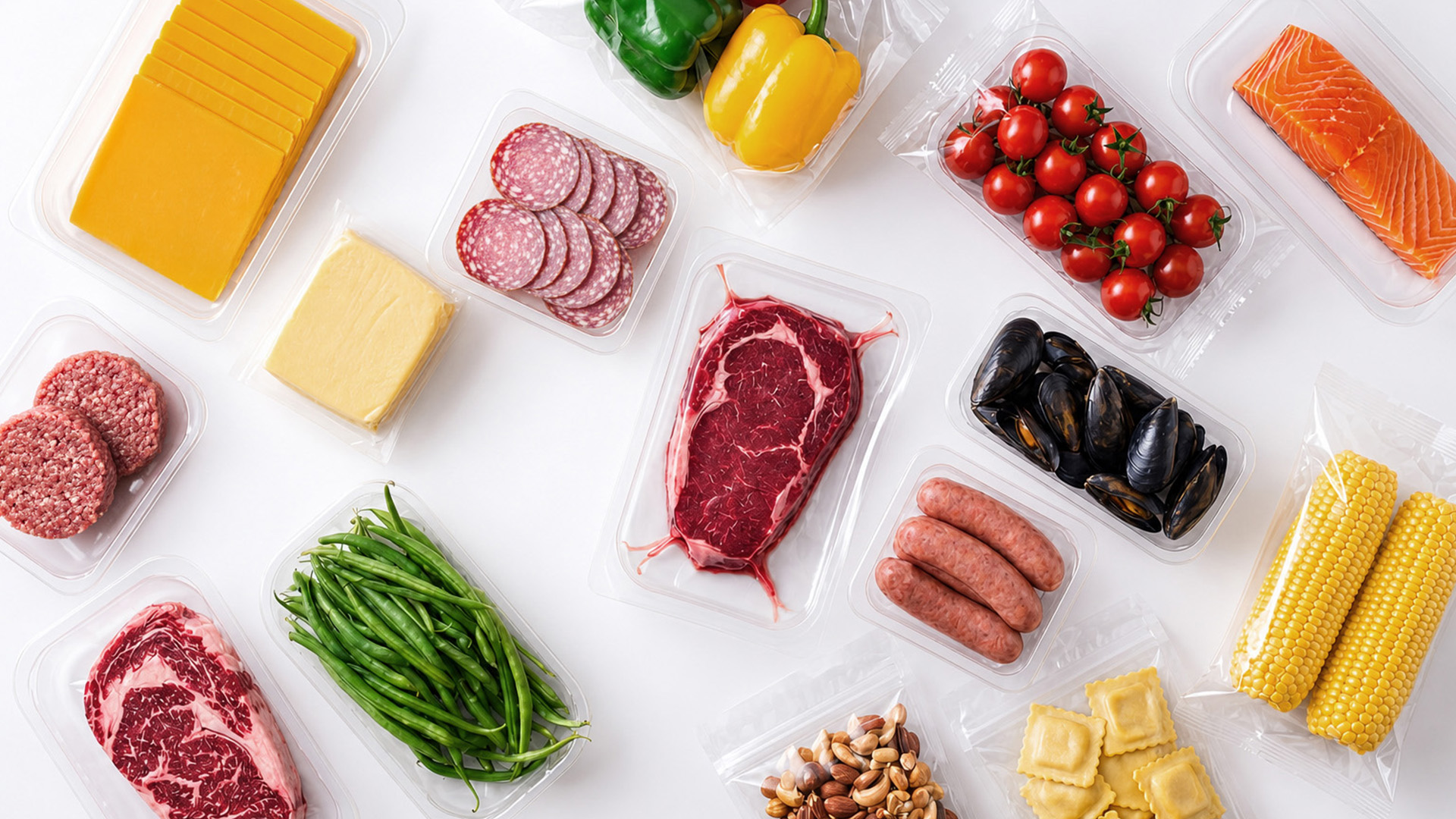
In practice, that’s not how it works. Especially in food and pharmaceutical applications, product protection is non-negotiable. Packaging has to seal reliably, ensure hygiene, and protect sensitive goods from oxygen, moisture, or microbes. At the same time, it should use as few resources as possible—and be readily recyclable at end of life. That’s exactly the balance SÜDPACK is working to achieve.
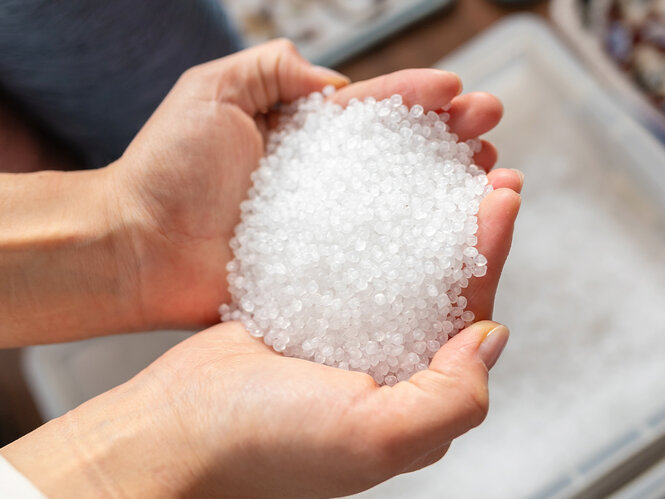
To ensure the circular economy is more than just a concept on paper, SÜDPACK is also building structures to keep valuable materials in the loop. Some of the production waste is collected internally, processed and reused as granulate or compounds. The company is also committed to the further development of recycling technologies – including for plastic fractions that have previously been difficult to recycle.
Because sustainable packaging is no longer a “nice to have.” Retailers, consumers, and regulators expect solutions that are transparent and future-proof. Anyone switching packaging formats needs a partner who thinks holistically about material, machinery, and application—and who can clearly explain which solution makes sense and why. That’s where SÜDPACK comes in: with application engineering support, experience across many markets, and a clear goal of improving product protection, cost-effectiveness, and environmental performance together.
The bottom line is that sustainable packaging is not the result of a single material or a quick idea. It is the result of many smart decisions - from the raw material to the film to recycling. And it requires collaboration along the entire value chain: manufacturers, brands, retailers, waste management companies, and recyclers. Only then can packaging truly become circular.
Note: Selected graphics used in this article were created with the support of generative AI.